
Ulcerative skin disease and red leg syndrome are common diseases in frogs. However, not all frog farmers know how to recognize and manage these diseases promptly. So, what are the most effective prevention and control measures?
Frog farming has been expanding rapidly, with both small- and large-scale farms becoming increasingly common. Like all livestock species, frogs are susceptible to various diseases, and one of the most common is ulcerative skin disease and red leg syndrome. The disease frequently occurs during periods of extremely hot or cold weather, when frogs are under stress, have weakened immunity, or when the water environment is contaminated with pathogenic bacteria. In Northern Vietnam, the cold and rainy weather in November creates ideal conditions for pathogens to multiply and infect frogs.
1. CAUSES
– The disease is caused by the Gram-negative bacterium Aeromonas hydrophila.
– Disease outbreaks are most severe during cold or extremely hot weather. Stress, poor water quality, accumulation of toxic gases, excessive pond sludge, infrequent water exchange, or skin injuries can all predispose frogs to infection.
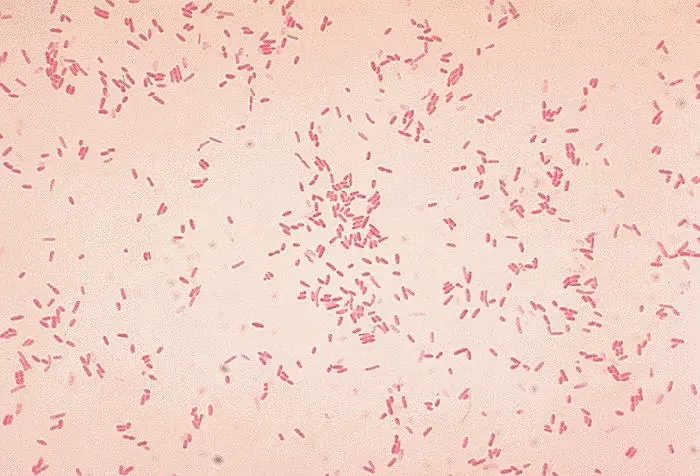 Illustration of Aeromonas hydrophila
2. CLINICAL SIGNS
– The earliest and most noticeable sign is the appearance of red spots on the body and thighs, often accompanied by hemorrhage, swollen legs, and progressive ulceration. Without timely treatment, affected frogs may die.
– Diseased frogs become sluggish and less active.
– Feed intake decreases or stops completely, and frogs move slowly.
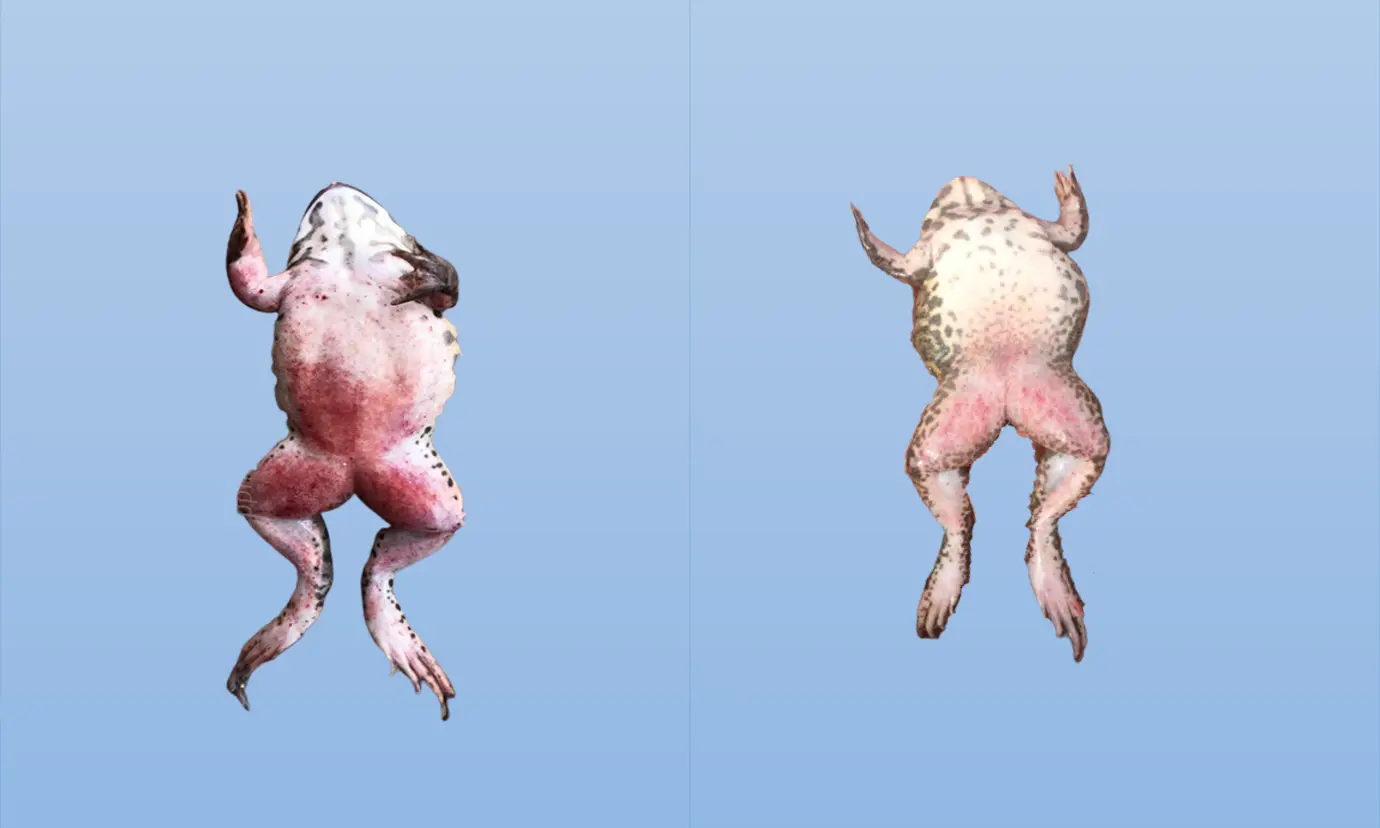 Illustration of clinical signs
3. LESIONS
– Necropsy reveals yellowish fluid accumulation or hemorrhage within the abdominal cavity.
– The liver is congested and bruised, while the liver, spleen, and kidneys may contain white purulent lesions.
4. PREVENTION
– Use healthy, disease-free fingerlings from reliable sources. Before stocking, disinfect frogs by bathing them in salt solution, potassium permanganate, or iodine.
– Thoroughly clean and disinfect ponds or culture tanks after each production cycle. Remove bottom sludge and apply agricultural lime.
– Regularly monitor water quality and perform routine water exchange.
– Maintain an appropriate stocking density. Avoid overcrowding and minimize handling stress or excessive jumping that may cause skin injuries.
– Periodically disinfect pond water using A BENZACID 800.
– Supplement Vitamin C with A-VITA C MAX to enhance immune function.
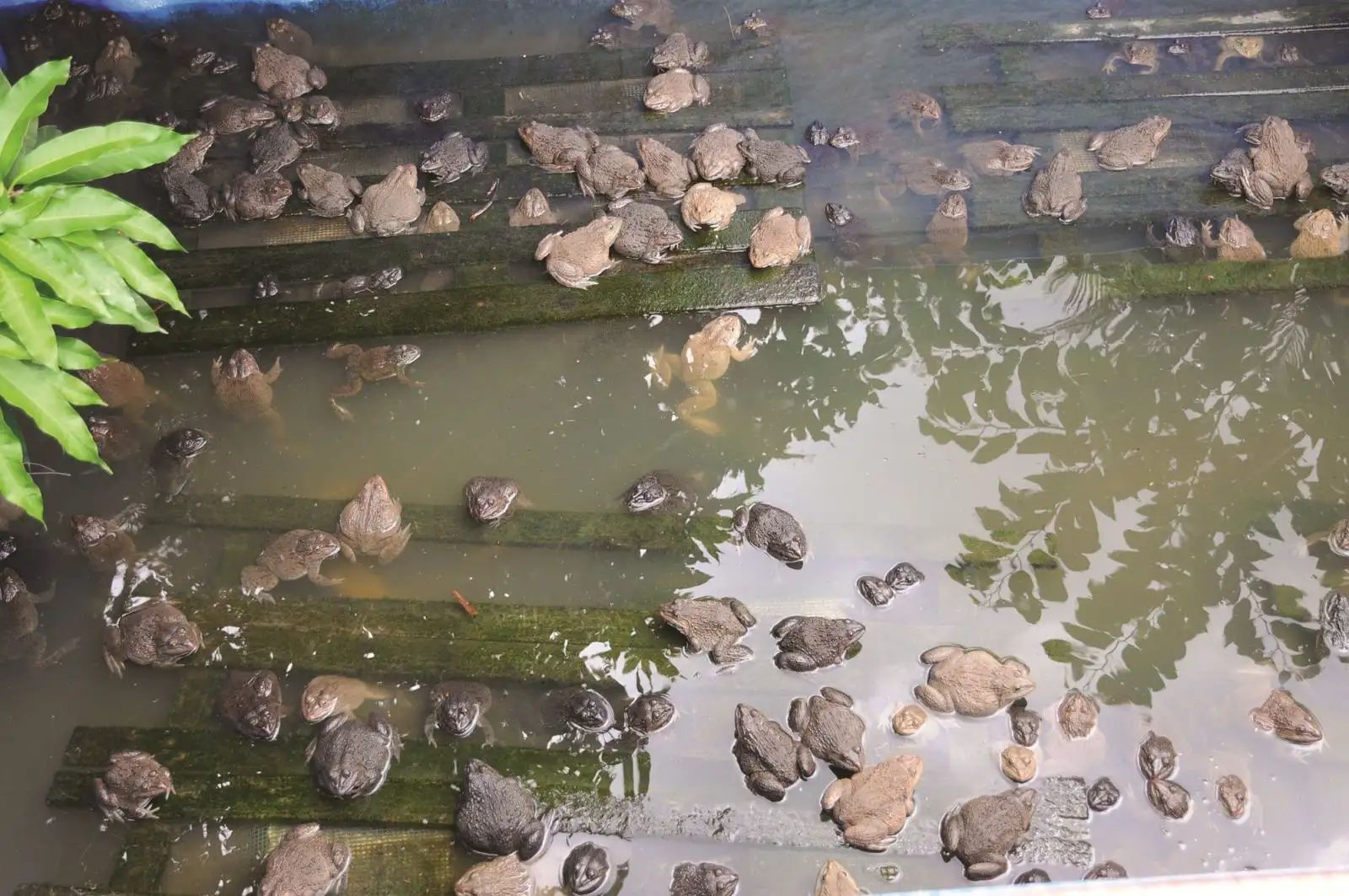 Illustration of the frog
5. TREATMENT
Early detection and prompt treatment significantly improve recovery rates. The following treatment protocol is recommended:
– Bathe frogs in potassium permanganate (KMnO₄) or iodine solution. When using iodine, treatment should be carried out during the cool hours of the morning or late afternoon. Avoid treatment during hot sunny periods.
– Administer an oxytetracycline-based antibiotic, such as A-OXYLINE 200S.
– Supplement A-VITA C MAX to strengthen the immune system.
– Add A-LACTOBACI to support liver and kidney detoxification while restoring beneficial intestinal microflora. Feed continuously for 5–7 days.
– During treatment, reduce the feeding rate by approximately 50% and continue therapy for 5–7 days.
Ulcerative skin disease and red leg syndrome are among the most common bacterial diseases affecting frogs. If left untreated, they can result in significant economic losses. Understanding the causes, clinical signs, preventive measures, and appropriate treatment protocols will help farmers improve production efficiency and effectively control this disease.