TECHNICAL CONSULTANCY

Parasite Control For Dogs

Pets are highly susceptible to ectoparasites such as ticks, mites, lice, and fleas; therefore, parasite control in dogs is extremely important. So, which method is both convenient and effective? When infested with parasites, dogs and cats often experience itching, scratching, skin irritation, and hair loss, which negatively affect both their appearance and overall health. There are various methods for parasite control in pets, including injections, sprays, spot-on applications, or oral administration. Depending on the purpose and site of treatment, appropriate products should be selected. Among these, the spot-on method is a modern, safe, and highly effective solution for eliminating ticks,..

Preventing Cold Stress And Diseases In Cattle During Winter

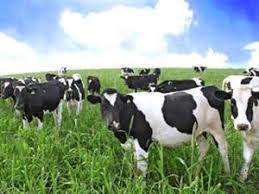
During winter, when temperatures drop significantly and air humidity increases, cattle expend more energy to maintain body heat and become more susceptible to diseases. Cold winter weather causes cattle to lose a large amount of energy for thermoregulation, leading to weakened immunity. This creates favorable conditions for pathogenic microorganisms to develop and cause diseases. As a result, livestock are highly vulnerable to illnesses, especially respiratory diseases, and may even die from severe cold stress. This risk is particularly high in young animals under 6 months of age and in older animals. Therefore, farmers need to proactively protect their herds by..

Effective Deworming Methods For Ornamental Birds

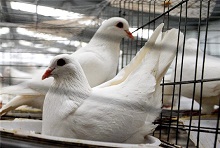
Have you ever considered deworming your ornamental birds? It may sound unusual, but neglecting this step can negatively affect their health and economic value. So how can you recognize parasitic infections, and what impact do they have on birds? Nowadays, keeping ornamental birds is very popular. However, even caged birds fed with clean food and water can still become infected with helminths. So, what are helminth infections in ornamental birds? I. CAUSES Illustrative image of ornamental birds – Helminth infections can be transmitted through daily feed and drinking water. When food or water is contaminated with parasite eggs and birds..

COMMERCIAL FROG FARMING TECHNIQUES

Frog farming, although not as common as pig or poultry farming, offers comparable economic returns. Therefore, it has become an attractive startup option for many farmers. So, how can farmers achieve high efficiency and maximize profits? What are the proper techniques for commercial frog farming? Frogs are a popular delicacy with high nutritional value and are widely favored. In rural areas, after rainy days, wild frogs are commonly used in traditional dishes. However, due to the decline in wild frog populations and increasing market demand, more frog farms are being established and expanded. Therefore, mastering effective commercial frog farming techniques..

5 Signs That A Livestock Farm Is About To Face A Disease Outbreak

Disease outbreaks are one of the greatest risks in animal production. However, with careful observation, farmers can detect early warning signs and proactively identify the risk of an impending outbreak. In many cases, diseases do not occur suddenly; they are often preceded by warning signs. If farmers can recognize these early indicators, they can take timely action to prevent the spread and minimize economic losses. Let’s explore five key signs indicating that a farm may be at risk of a disease outbreak. I. FIRST SIGN: ANIMALS BEGIN TO SHOW REDUCED FEED INTAKE OR ANOREXIA SPORADICALLY Initially, only one or two..

Cold-Season Wheezing In Chickens: Housing Management Mistakes That Worsen The Condition

During the cold season, the incidence of respiratory diseases in chickens often increases significantly, causing considerable economic losses for poultry farmers. What are the underlying causes, and what measures should be taken to minimize this condition? Whenever cold weather, prolonged rain, and high humidity occur, chickens commonly develop wheezing, respiratory rales, dyspnea, and in some flocks, scattered mortality. Treatment may be prolonged with frequent relapses. Why do cold and humid conditions predispose chickens to respiratory tract infections and pneumonia? I. LOW TEMPERATURES SUPPRESS THE IMMUNE SYSTEM When ambient temperatures decline – particularly at night and early morning – chickens must..

Fatty Liver Hemorrhagic Syndrome In Chickens

In chickens, the liver is an essential organ that plays many important roles in digestion and metabolism. Fatty liver in poultry is a common condition; however, if it is not properly managed, it can significantly affect productivity and economic efficiency. Fatty Liver Hemorrhagic Syndrome in chickens is a metabolic disorder commonly observed in long-term production birds such as laying hens and breeder chickens. This condition is associated with metabolic imbalance, particularly during the peak laying period. Although the mortality rate caused by this syndrome is relatively low, it often leads to overweight birds during the laying cycle and reduces egg..

Green Diarrhea In Chickens – Appropriate Treatment

Injecting antibiotics immediately when chickens pass green droppings is wrong in up to 90% of cases. So what is the correct way to handle it without wasting money? Green droppings in chickens are a common condition in poultry farming, making many farmers worried and quick to use antibiotics. However, not every case is caused by a serious disease. Understanding the real cause will help handle the problem effectively and avoid unnecessary costs. I. CAUSES OF GREEN DIARRHEA IN CHICKENS Green droppings in chickens are not always a sign of a severe disease. There are usually three common causes: 1. Digestive..

Gumboro Disease in Chickens – The Invisible Enemy Causing Severe Losses for Poultry Farmers

Gumboro disease is a major concern for many poultry farmers, especially during the growth stage of young chicks. Gumboro disease in chickens is an acute infectious disease caused by a virus, commonly appearing in chicks aged 3 to 6 weeks. It is one of the most dangerous diseases in poultry farming due to its fast transmission, high mortality rate, and serious immunosuppression, making chickens susceptible to other diseases such as Newcastle, E. coli, CRD, ORT, etc. Image of chicken farming 1. CAUSE The disease is caused by the Gumboro virus, belonging to the family Birnaviridae, genus Avibirnavirus. This virus is..

Civet Farming – A New Direction In Specialty Livestock Production

The Asian palm civet is a high-value specialty species suitable for small- and medium-scale farming systems, offering promising income-generating opportunities. In recent years, alongside conventional livestock such as chickens, pigs, and ducks, farmers have increasingly sought alternative species with higher economic returns and lower market competition. Among these, civet farming has gained considerable attention. Is civet farming truly an effective new production model? And how can it be implemented properly and efficiently? I. WHAT IS A CIVET AND WHY IS IT CONSIDERED A “SPECIALTY” SPECIES? The Asian palm civet is a wild species that has been successfully domesticated and bred..