
Gumboro disease is a major concern for many poultry farmers, especially during the growth stage of young chicks.
Gumboro disease in chickens is an acute infectious disease caused by a virus, commonly appearing in chicks aged 3 to 6 weeks. It is one of the most dangerous diseases in poultry farming due to its fast transmission, high mortality rate, and serious immunosuppression, making chickens susceptible to other diseases such as Newcastle, E. coli, CRD, ORT, etc.
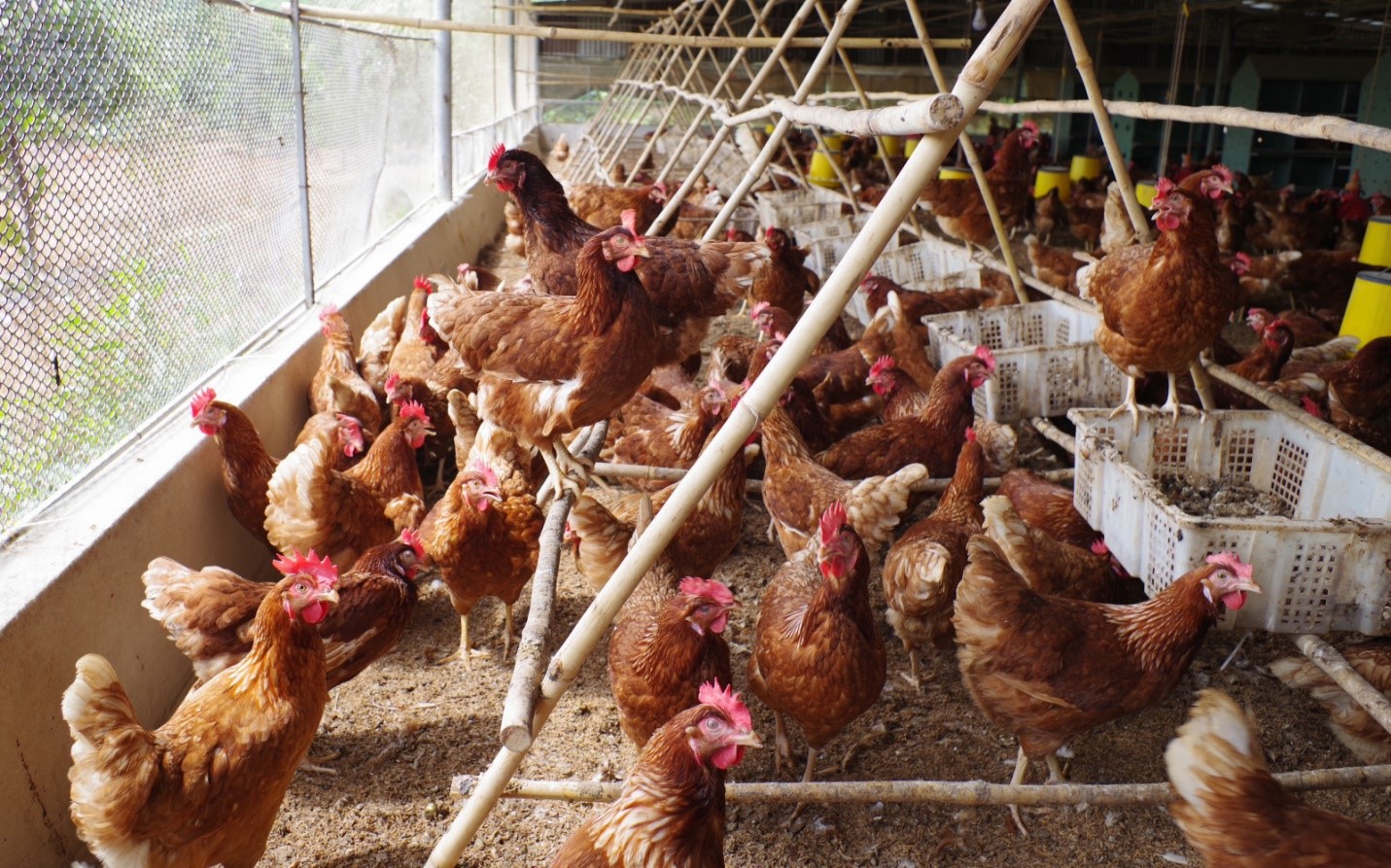 Image of chicken farming
1. CAUSE
The disease is caused by the Gumboro virus, belonging to the family Birnaviridae, genus Avibirnavirus. This virus is highly resistant, capable of surviving at high temperatures and many common disinfectants. In farm environments, the virus can survive for several months, especially in chicken manure or on farming equipment.
The dangerous point is that the Gumboro virus is difficult to destroy; once it enters the farm, it can persist for a long time and recur many times, causing continuous damage to the poultry farm.
The disease spreads mainly through:
– Feed, drinking water, chicken feces, dust, farming tools, and workers’ clothing.
– The virus can spread through the air and be carried by the wind to nearby houses or farms.
– Recovered chickens can still excrete the virus into the environment for many days, making disease control difficult.
2. CLINICAL SYMPTOMS
The incubation period usually lasts from 2 to 3 days.
When infected, chickens often show the following symptoms:
– Suddenly become depressed, ruffled feathers, reduced feed intake, and excessive drinking.
– High fever.
– Frequently pecking around the cloacal area.
– Gathering near the water source, drinking a lot but eating very little.
– Diarrhea with white feces mixed with mucus or blood.
– Nervous signs: unsteady gait, trembling, convulsions, loss of balance.
– The mortality rate can range from 10 to 50%, even up to 80% if not controlled in time.
The incubation period is short, about 2 to 3 days. The disease breaks out within 1 to 2 days and may cause mass mortality afterward.
 Image of chicken farming
3. LESIONS
– The bursa of Fabricius is swollen, edematous, with petechial or pinpoint hemorrhages on the surface.
– After 3 to 5 days, the bursa may shrink, become grayish-white or pale yellow, showing signs of the late stage of the disease.
– Breast and thigh muscles show streaky hemorrhages.
– Kidneys are enlarged, pale, with white urate deposits (like lime).
– Hemorrhages at the junction between the proventriculus and the gizzard.
4. PREVENTION
As Gumboro disease is caused by a virus, there is no specific treatment. Therefore, prevention through vaccination and good veterinary hygiene is the only effective solution. Vaccinate fully against Gumboro following the manufacturer’s recommendations.
Maintain regular cleaning and disinfection of poultry houses:
– Remove feces and litter, replace bedding regularly, and ensure the farm is clean and well-ventilated.
– Disinfect the poultry house with IODIN@ or DEXON SUPER at least twice a week during outbreaks.
– Isolate new flocks, avoid mixing chickens of different ages in the same area. The “all-in, all-out” system is highly recommended.
Strengthen the chicken’s resistance:
– Use multivitamins, electrolytes, probiotics, and minerals to help chickens recover quickly. You can add GLUCAN C or IMKOOLER to the drinking water, especially during weather changes or after vaccination.
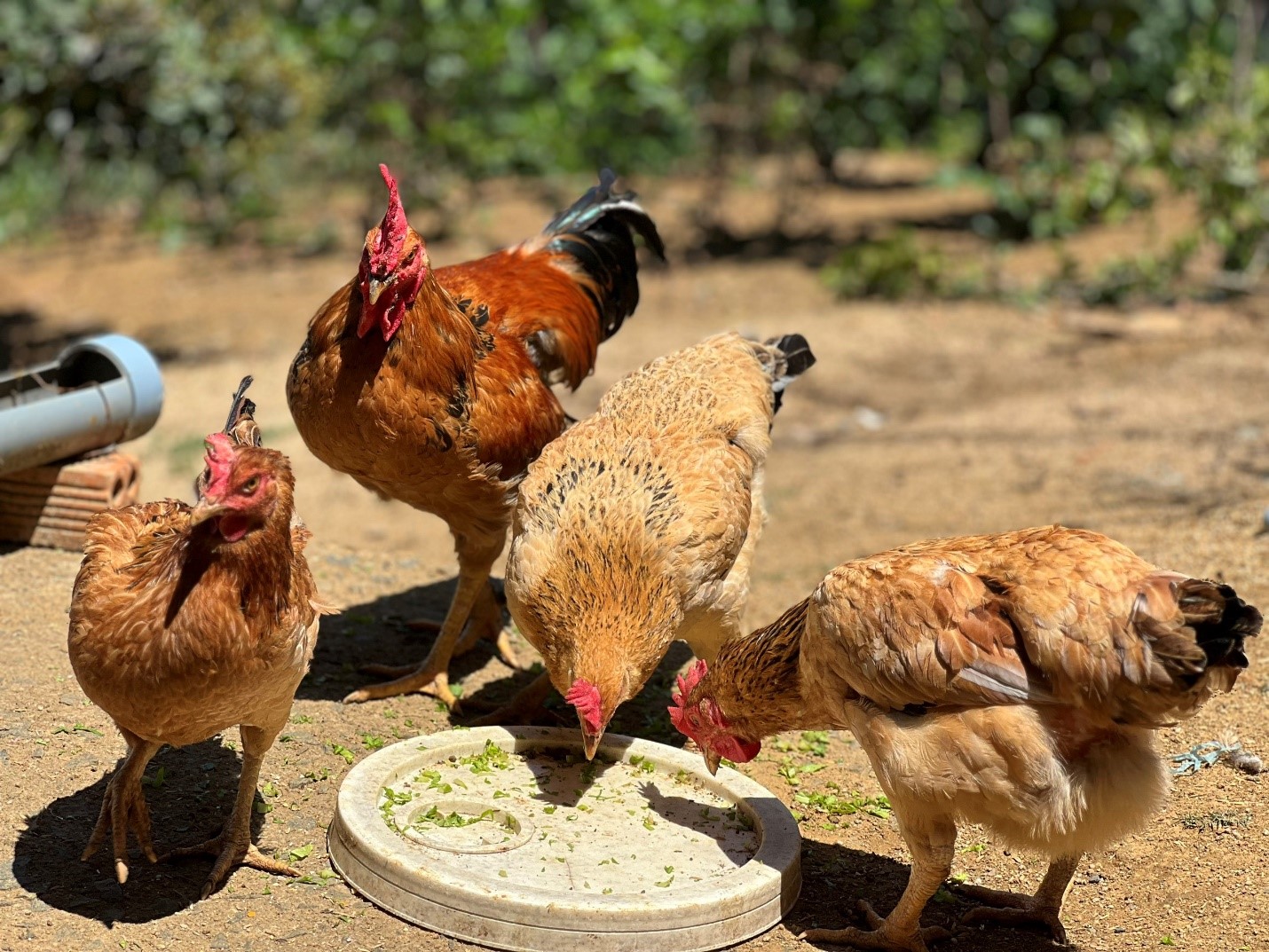 Image of chicken farming
5. TREATMENT
Since the disease is caused by a virus, there is no specific drug for treatment. The following regimen can be applied for supportive therapy:
First, inject Gumboro antibody for the chickens, combined with ENERGI 300 as directed by the manufacturer to help quick recovery.
Then use PARAMOL 200 WS to reduce fever, as infected chickens usually develop high temperatures. Supplement with VITAHERB to boost immunity and balance electrolytes.
Administer antibiotics such as AMOCIN 500 WS or DIMOXAN WS to prevent secondary bacterial infections.
Gumboro disease is one of the most dangerous infectious diseases in poultry farming today. Although there is no specific cure, farmers can effectively control the disease through proper prevention. “Prevention is better than cure” — ensure timely vaccination, maintain clean housing conditions, and strengthen flock immunity