
Streptococcal disease is a highly contagious infection commonly found in pig farms. It significantly affects herd health and poses risks to people who come into contact with sick pigs; therefore, early prevention and timely intervention are essential.
Streptococcus suis infection is a dangerous infectious disease caused by the bacterium Streptococcus suis. It occurs in pigs of all ages, especially suckling pigs, weaners, and fattening pigs.
I. INTRODUCTION TO STREPTOCOCCUS SUIS
Streptococcus suis can infect humans, especially when consuming raw or undercooked meat from infected pigs, causing meningitis, septicemia, and even death. Thus, the disease not only leads to economic losses but also poses a public health concern.
The disease is endemic. S. suis is naturally present in the upper respiratory tract, tonsils, and nasal cavities of healthy pigs. The main routes of infection include oral ingestion, inhalation, direct contact with carrier pigs, wounds, navel or tail docking sites, contaminated equipment, and insects.
Weaning stress provides the ideal conditions for the bacteria to multiply and increase their virulence.
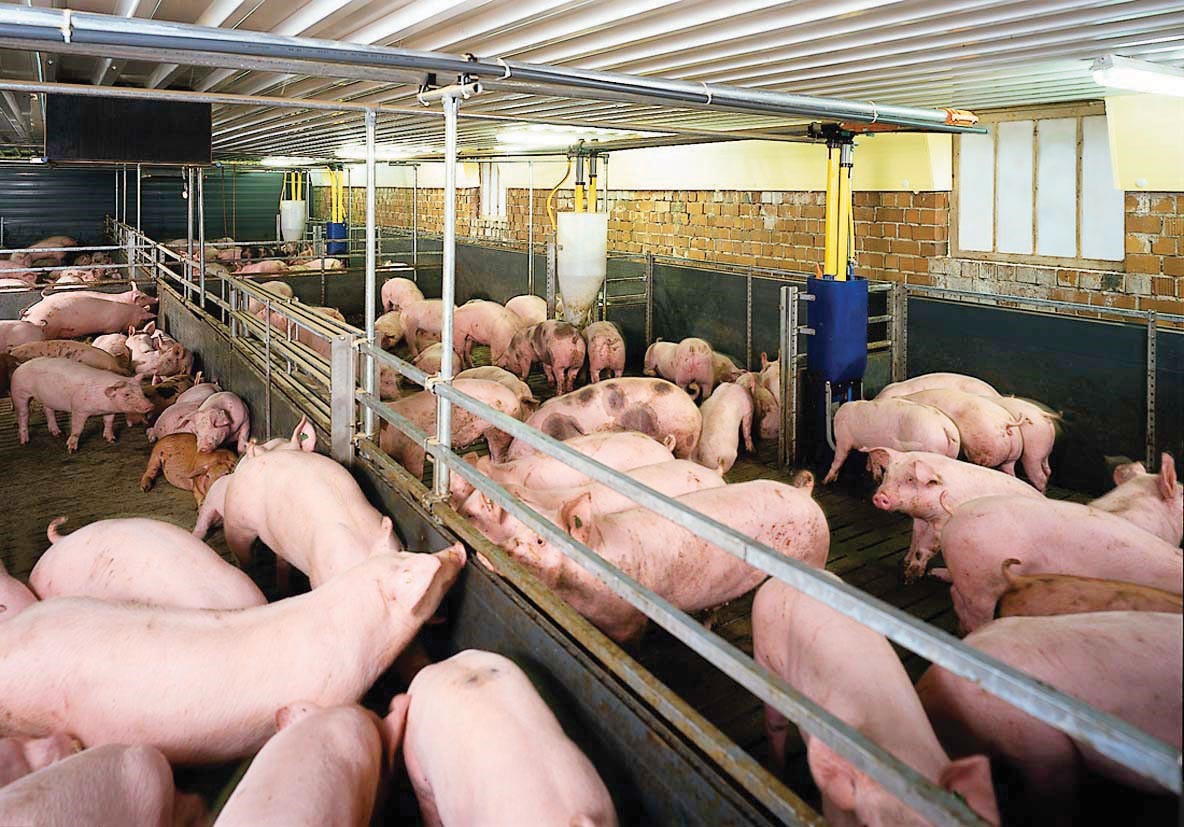 Image of pig farming
The bacterium survives well in humid, dirty environments—especially in poorly sanitized, overcrowded, and poorly ventilated barns, or when pigs are stressed due to weather, feed changes, or vaccination.
The bacteria proliferate in the tonsils and spread via the lymphatic system into the bloodstream, reaching the brain, joints, and other organs. S. suis can enter the bloodstream within hours, and affected pigs often die due to meningitis, multiple organ failure, endocardial damage, or vascular lesions.
Polyarthritis is commonly observed in piglets infected with S. suis.
II. CLINICAL SIGNS
Clinical signs vary depending on the infection level and disease form.
1. Acute form (peracute death):
– High fever (40.5–42°C)
– Loss of appetite, lethargy
– Huddling, trembling
– Labored or rapid breathing
– Sudden death
2. Meningitis–neurological form (most common)
– High fever, skin hemorrhages
– Incoordination, trembling, loss of balance
– Seizures, circling
– Lying on the side, limb paddling
– Abnormal hoarse or high-pitched vocalizations
– Possible paralysis of hind limbs; rapid death if untreated
3. Pneumonia–arthritis form
– Coughing, abdominal breathing, dyspnea
– Nasal discharge
– Swollen joints, lameness
– Reduced appetite, poor growth
If not treated promptly, mortality may reach 30–70%, especially in weaners and fattening pigs.
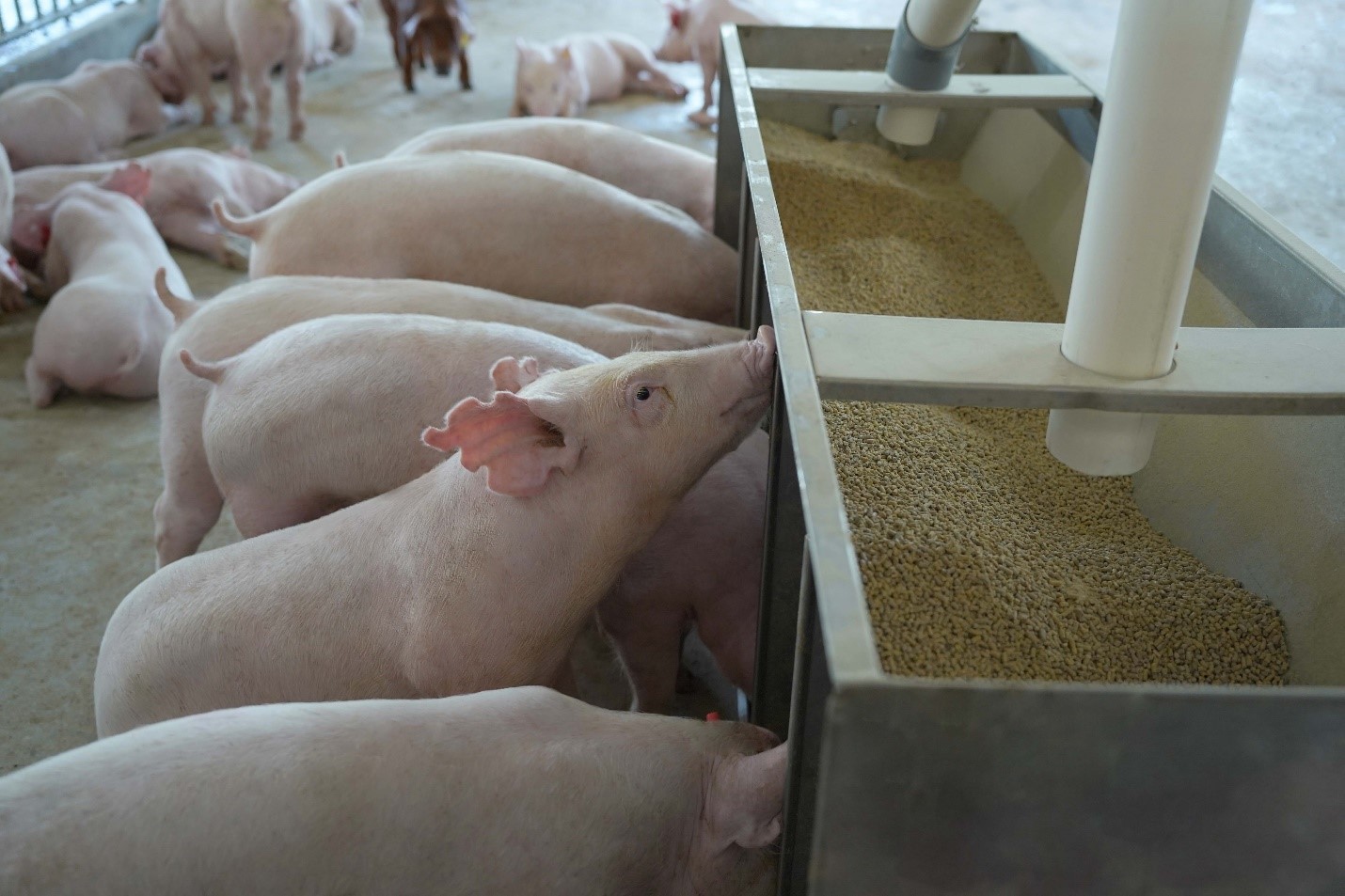 Image of pig farming
III. LESIONS
Common lesions found during necropsy include:
– Suppurative meningitis: congested brain, thickened cloudy meninges, yellow purulent exudate
– Pneumonia: congested and cyanotic lungs
– Pericarditis, petechial hemorrhages on the heart, endocarditis, vegetative endocarditis
– Swollen joints containing cloudy purulent fluid
– Enlarged, hemorrhagic lymph nodes
– Sometimes peritonitis and pleuritis
IV. TREATMENT
Early treatment is crucial—ideally at the first signs of lethargy, anorexia, or fever. Sick pigs should be isolated for treatment.
Recommended antibiotics include: PENSTREP 400, PENSTREP 400 LA, or BIOGENTA, administered according to the manufacturer’s instructions.
Supportive medications include:
KEPROFEN, FLUXIN 50 for antipyretic and analgesic effects. ENERGI 300, BUTASAL 100 to enhance recovery. In cases of arthritis: add DEXASONE following dosage instructions.
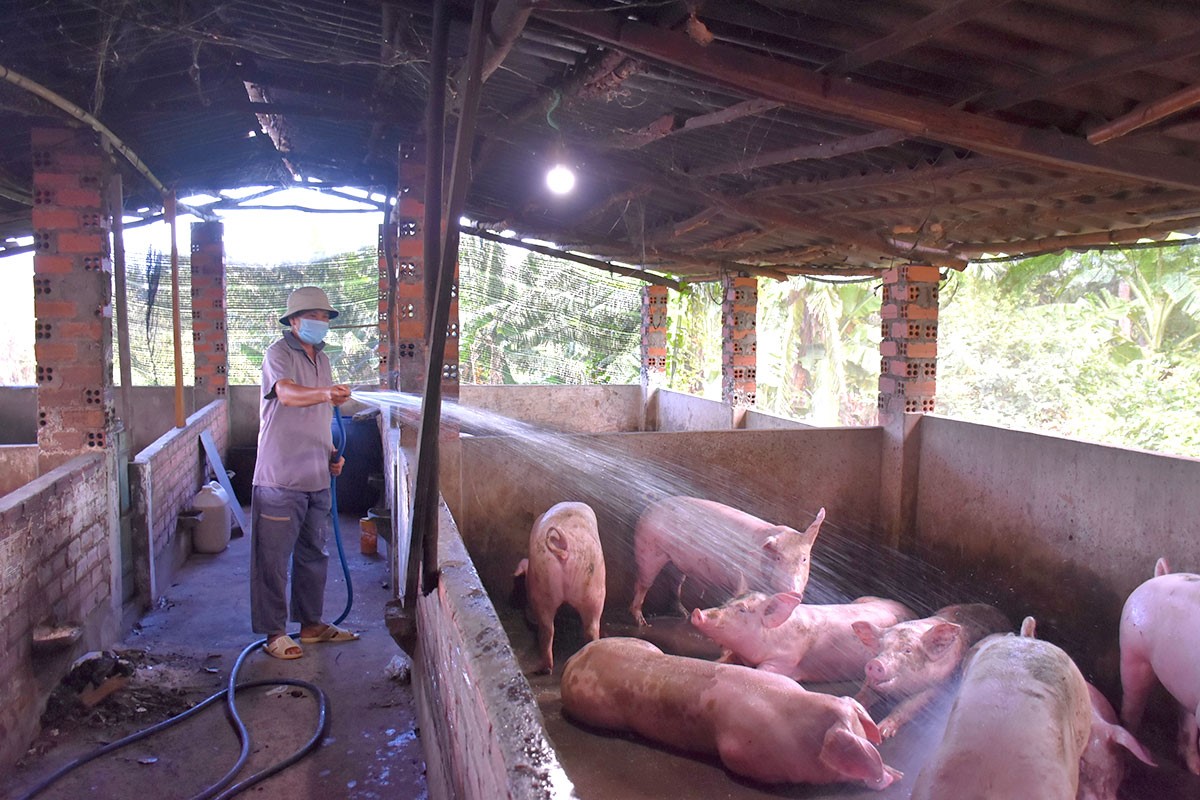 Image of pig farming
V. PREVENTION
For safe and effective pig production, hygiene and biosecurity are essential.
– Disinfect barns 2–3 times per week using IODIN @, DEXON SUPER, etc.
– Remove manure, standing water; keep flooring clean and dry
– Stock pigs at appropriate density; follow all-in all-out management
Provide supplements, vitamins, and probiotics routinely: Immune boosters: GLUCAN C, IMKOOLER. Probiotics: HASPRO, FIZYMLUS
Because the disease can spread to humans:
– Wear gloves and masks when handling sick pigs
– Do not consume raw blood dishes or undercooked pork
– Seek medical attention immediately if fever or headache occurs after exposure to sick pigs
Streptococcus infection in pigs is dangerous, highly transmissible, and zoonotic. Therefore, early detection, proper prevention, and timely treatment are essential to protect both pigs and humans.