
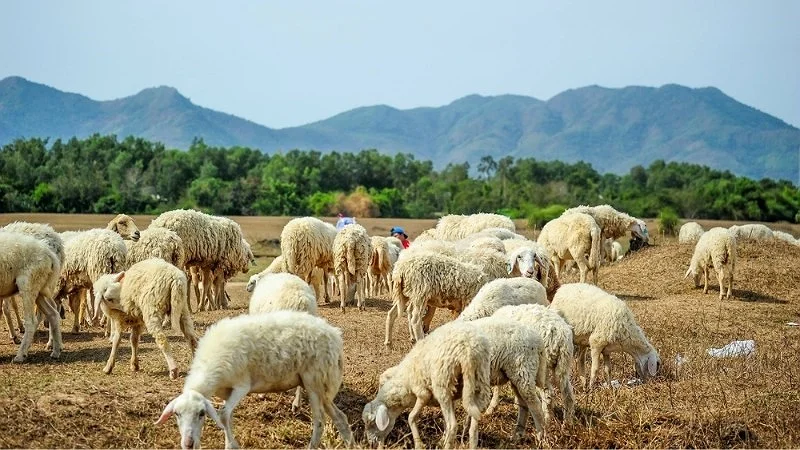
If you have access to a large area of land, consider trying an agritourism sheep farming model. Although this model is relatively new, it can provide significant economic benefits to farmers while also contributing to the development of local tourism.
The tourism industry has great and virtually unlimited potential for development. If you are passionate about sheep farming and wish to improve your income, raising sheep in combination with tourism can be a worthwhile option. This model not only makes use of the economic value of sheep meat but also creates an additional source of income through interactive sheep-farming experiences for visitors. What should be considered when raising sheep for tourism?
1. WHAT DO YOU KNOW ABOUT SHEEP?
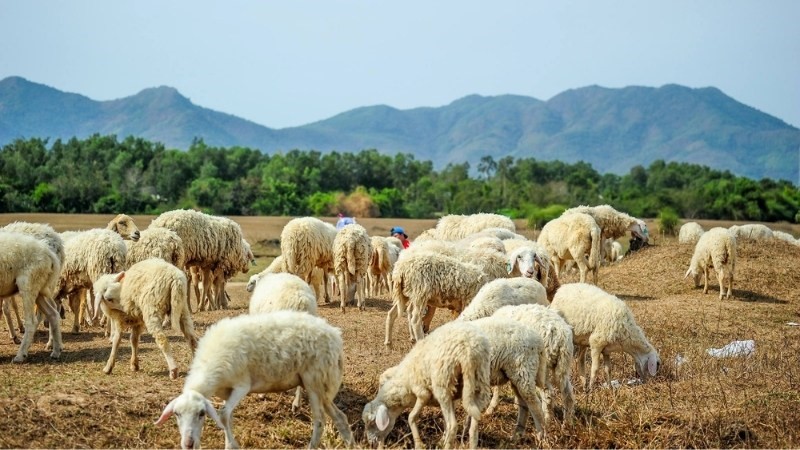 Image of sheep farming
Sheep are among the earliest domesticated livestock species, raised for wool, meat, milk, fat, and hides. In Vietnam, due to the hot climate, sheep generally produce relatively little wool; therefore, the main sources of income are primarily meat and milk.
Compared with goats, sheep are relatively easy to raise. They are generally docile and less susceptible to certain diseases, making them well suited for development as part of an agritourism model.
2. HOW IS RAISING SHEEP FOR TOURISM DIFFERENT FROM CONVENTIONAL SHEEP FARMING?
– Raising sheep for tourism requires a large area of land and a sufficiently large flock. Sheep should be regularly cleaned, bathed, and groomed so that visitors can enjoy the experience and take beautiful photos.
– Currently, many farms are adopting a model that combines sheep production for meat and milk with tourism development.
– A key advantage of this model is that it enables farmers to maximize the economic value and benefits generated from sheep farming.
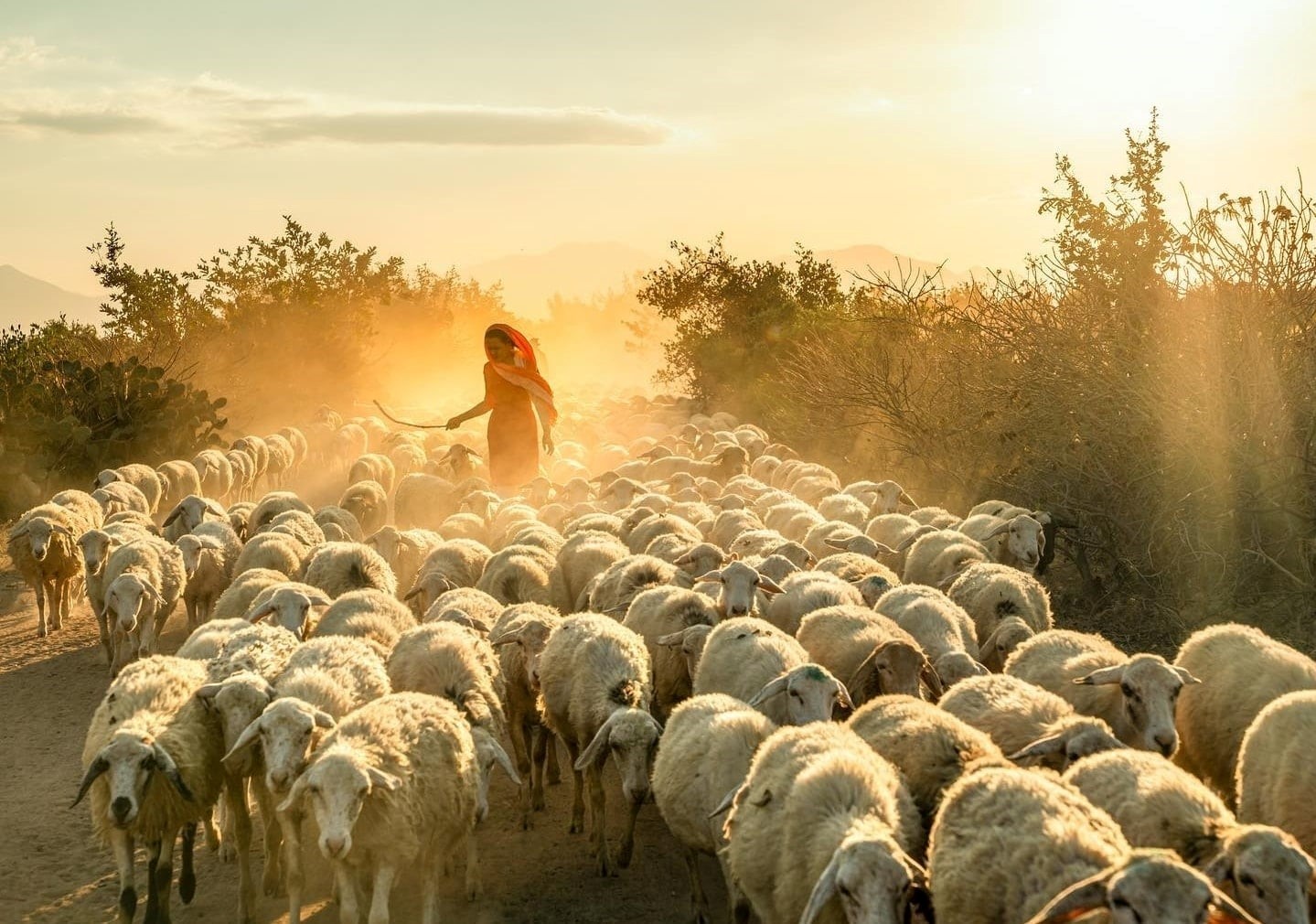 Image of sheep farming
– Although sheep farming may not be as labor-intensive as raising some other livestock species, it still requires a considerable amount of the farmer’s time. An agritourism sheep-farming model can make effective use of this time. Sheep farmers are no longer simply livestock producers; they can also act as tour guides, introducing visitors to the farm or answering visitors’ questions about sheep management and daily farming practices.
– Sheep are relatively easy to raise and are not particularly selective in their feed. Their diet may include fresh grass, straw, leaves, root crops, fruits and vegetables, silage, and processed energy feeds such as corn meal and sweet potatoes. Feeding should be carried out early on the day before visitors arrive for sightseeing and photography. Visitors may also purchase feed and enjoy the experience of feeding the sheep themselves.
– Sheep are hardy animals. A clear example can be seen in Ninh Thuan, one of the driest regions of Vietnam, where farmers consider sheep to be highly drought-tolerant, easy to raise, and an important source of income that has helped improve their livelihoods and economic stability.
– Sheep housing can be relatively simple, but the shed should be dry, elevated, well lit, and supplied with adequate drinking water.
3. DISEASE PREVENTION FOR SHEEP
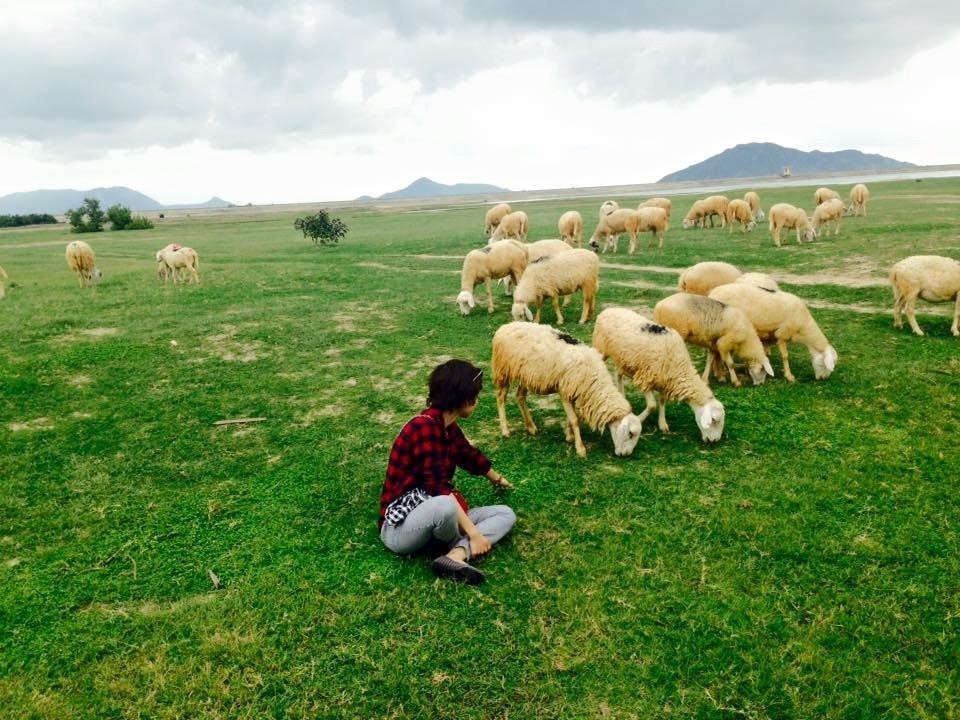 Image of sheep farming
– Although sheep are generally considered relatively resistant to disease, proper vaccination and preventive health care are still important. During periods of unfavorable weather or other stressful conditions, appropriate veterinary disease-prevention measures should be implemented. Digestive enzyme preparations and liver and kidney support products may also be supplemented to help maintain animal health and support optimal growth.
– Sheep should be bathed and groomed regularly. Manure should be collected frequently, and the housing area should be kept clean and hygienic.
– Livestock housing should be periodically cleaned and disinfected using products such as IONDINE®, BELUCID, or DEXON SUPER when animals are present, and DEXIT 400 when the housing is empty.
– Do not forget to deworm sheep periodically with INTERMECTIN
The agritourism sheep-farming model can attract both domestic and international visitors while also maximizing the value of sheep meat. Sheep meat is known for being flavorful, nutritious, relatively lean, and low in cholesterol. In addition, because sheep are commonly associated with a natural plant-based diet, consumers often perceive sheep products as clean and natural.