
In dairy farming, energy deficiency and low blood sugar often lead to Ketosis, causing a severe drop in milk production.
Ketosis is one of the most dangerous and common metabolic disorders in high-yielding dairy cows, typically appearing during early lactation. Understanding the causes, clinical signs, and scientific prevention and treatment measures will help farmers protect the health of their dairy herd, maintain stable milk production, and optimize economic efficiency.
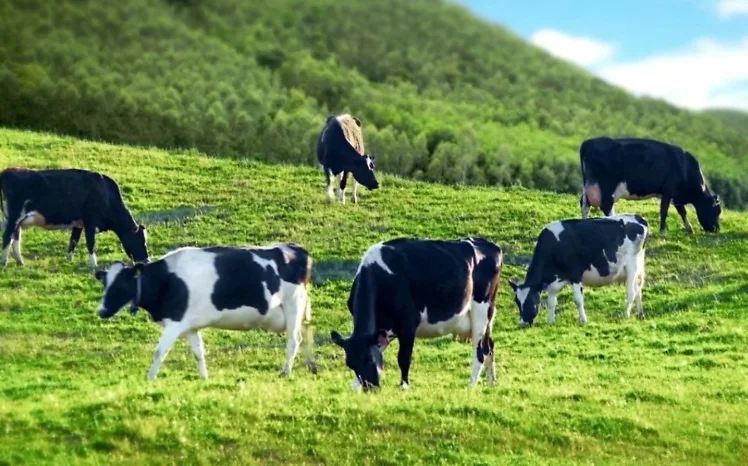 Image of dairy cows
1. OVERVIEW OF KETOSIS IN DAIRY CATTLE
Ketosis is a common metabolic disease in high-yielding dairy cows. Ketosis usually occurs a few days to a few weeks after calving, characterized by low blood sugar, high blood ketones, high urine ketones, reduced appetite, fatigue, restlessness, weight loss, acetone-smelling breath, constipation, reduced milk production, and sometimes neurological signs when the disease is severe.
This disease is quite common in cattle farming in our country, especially in dairy cows during peak lactation or in ewes in late pregnancy.
The disease is caused by the accumulation of excessive ketone bodies in the body; if ketone bodies accumulate heavily in the blood, it is called ketonemia, and if they accumulate heavily in the urine, it is called ketonuria. Normally, ketone bodies accumulate heavily in the blood before being excreted through the urine.
2. CAUSES
The main cause of the disease is that the animal does not have enough glucose, with blood glucose levels dropping from 50 mg/100 ml down to 25-30 mg/100 ml.
Blood glucose decreases because glucose is mobilized into synthesizing milk lactose. It is calculated that a dairy cow producing 20 kg of milk per day puts 1 kg of glucose into the milk to create lactose. It should be noted that during the dry period or lactation, the cow’s diet is very poor in simple sugars, especially glucose. When glucose is strongly mobilized into milk, it causes a shortage of glucose to generate energy for metabolic processes and for brain and nerve activity; at this time, the body takes energy from ketone sources.
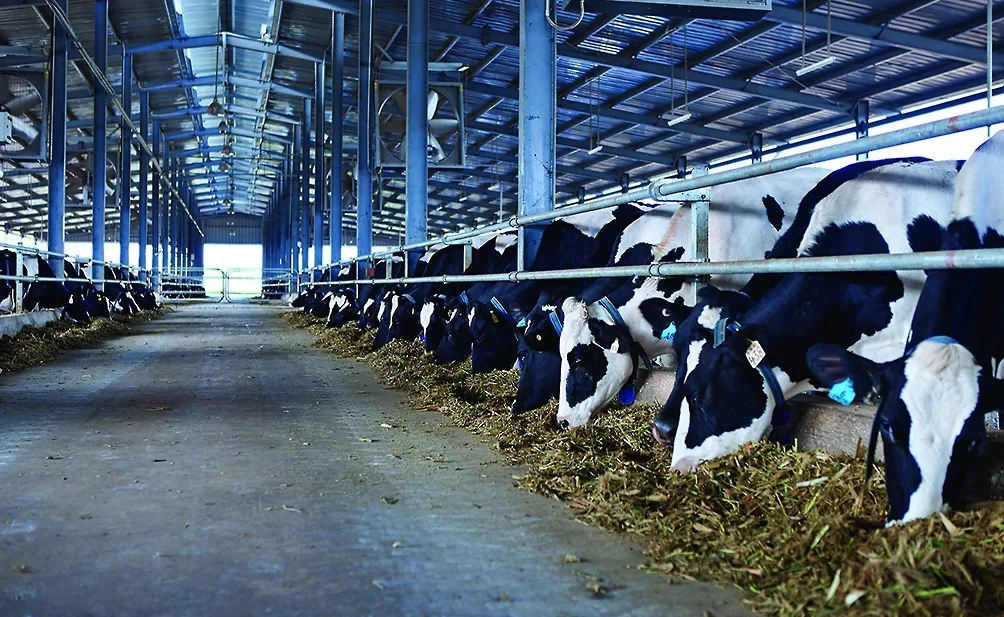 Image of dairy cows
3. CLINICAL SIGNS
Clinical signs are usually clear within 10 hours to 3 weeks post-calving. Cows gradually lose their appetite, experience reduced milk yield, weight loss, sunken eyes, sluggishness, reduced rumen motility, and dry, firm feces. Acetone odor is found in the breath and milk. Cows show abnormal neurological signs (nervous ketosis) such as dullness, listlessness, stupidity, panic, frequent bellowing, excessive salivation, and sometimes attacking people. Ketone bodies are found in urine, plasma, and milk (ketones in urine are usually 3 times higher than in blood).
The disease can be detected by measuring blood glucose levels; if blood glucose is below 50mg/100 ml, it is a sign of the disease. Or by measuring blood -hydroxybutyrate levels; if the level is above 14.4 mg/100 ml, it is a manifestation of the disease. In production practice, urinary ketone bodies are checked using test strips (ketostick). The severity of the disease is evaluated according to the level of -hydroxybutyrate in the urine.
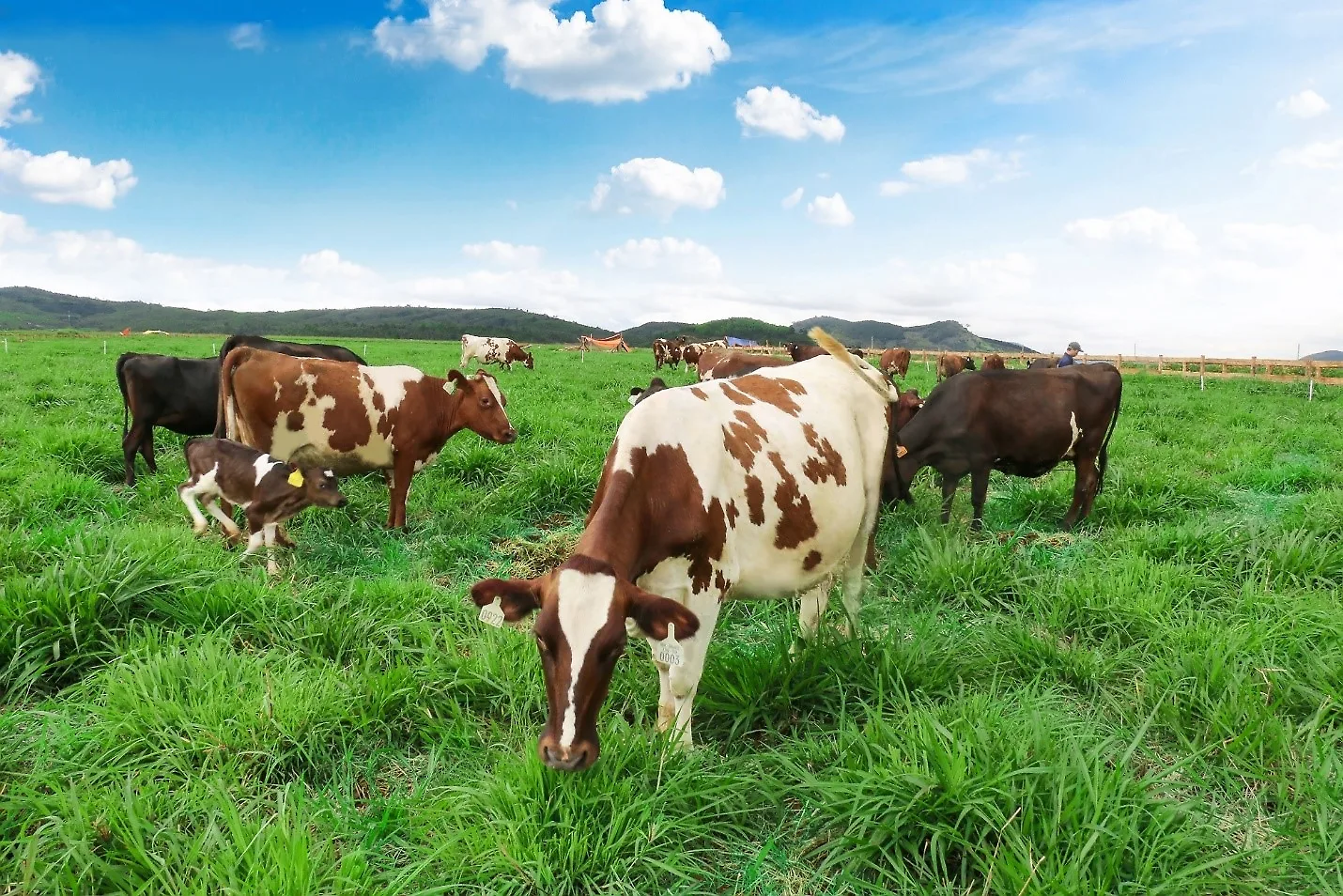 Image of dairy cows
4. EFFECTIVE PREVENTION AND TREATMENT
– Eliminate all factors limiting feed intake immediately before and after calving: Do not overfeed cows to become too fat during pregnancy, especially when about to calve. The diet for freshly calved cows must contain palatable ingredients (good quality corn silage, soybean meal, brewers’ grains, etc.).
– Supplement glucose precursors: Glycerin (110g-150g/cow/day, mixed into the cow’s diet immediately before and after calving) or propylene glycol (300g/cow for 20 days starting from the 10th day before calving). Supplementing niacin (6-12g/day) is highly effective when using separate concentrate and roughage feeding methods. We can use KETOSEN ORAL to prevent and treat ketosis because Ketosen Oral contains Glyceryl and B-group vitamins, which help balance the negative energy balance leading to ketosis.
Understanding the core causes and applying the correct Ketosis prevention protocol will give livestock farmers peace of mind in investment, improving productivity and economic value from high-yielding dairy herds.