
A guide to quickly identify and differentiate 4 common red skin diseases in pigs for timely intervention.
Red skin syndromes in pigs can progress rapidly and have a high transmission rate if not detected early. To avoid confusion between dangerous infectious diseases, the following content highlights the key distinguishing symptoms of each disease.
1. CLASSICAL SWINE FEVER
– Caused by Pestivirus of the Flaviviridae family.
– Occurs at all ages.
– Small, evenly distributed petechial hemorrhages, mainly appearing on areas with thin skin: the base of the ears, snout, base of the tail, tail tip, limbs, and lower abdominal skin.
– Persistent high fever (above 40ºC).
– Diarrhea or constipation with goat-like feces covered externally by a white mucous membrane.
– Very high mortality rate (up to 100%).
– Prevention: Fully vaccinate sows and piglets against Classical Swine Fever (vaccinate piglets at 3–4 weeks of age and give a booster 2–3 weeks later). Strictly implement biosecurity measures.
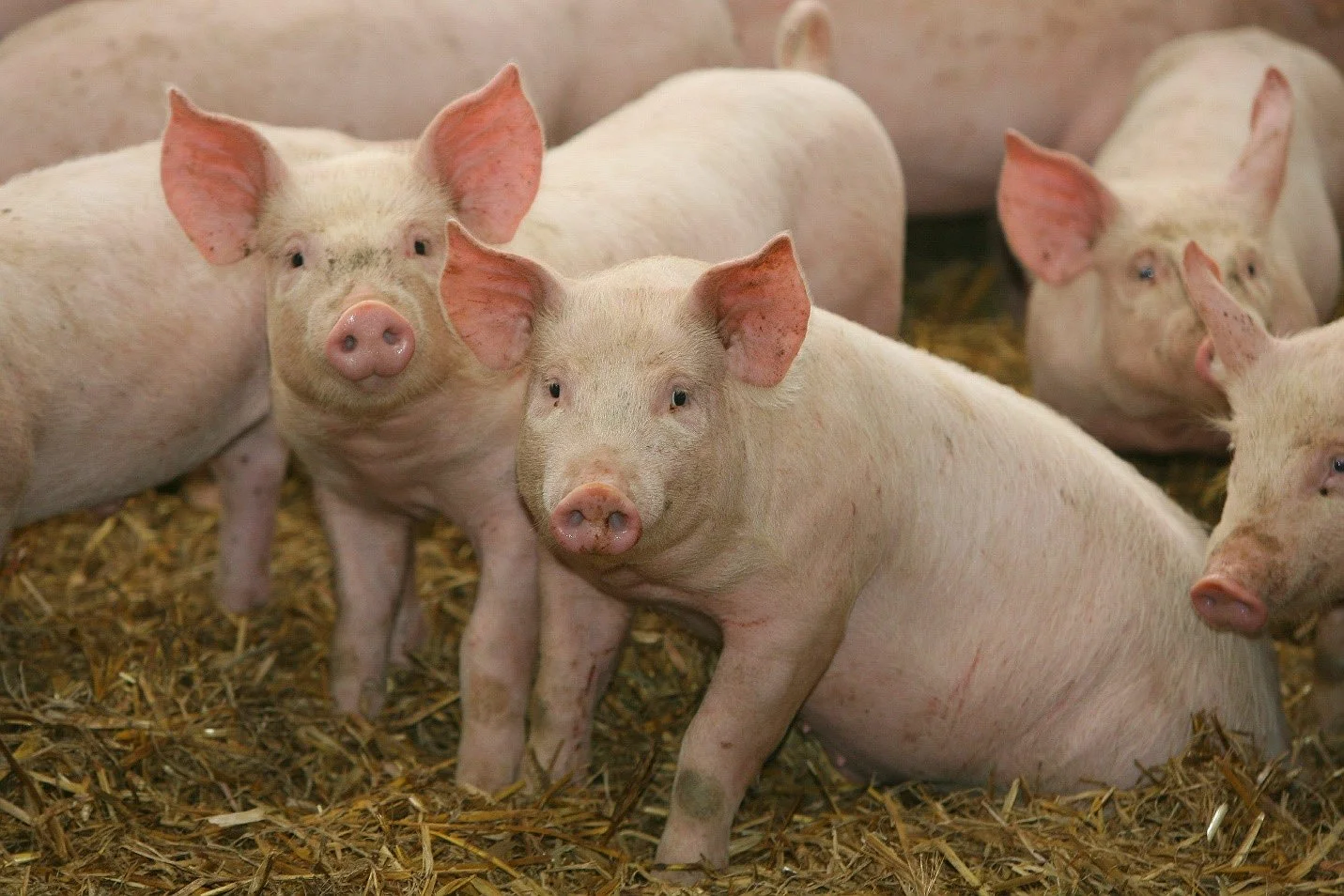 Image of swine
2 SWINE ERYSIPELAS
– Caused by the bacterium Erysipelothrix rhusiopathiae (the causative agent of swine erysipelas). This is an infectious disease that can be transmitted to humans.
– Usually occurs in pigs over 2 months of age.
– Numerous red, hemorrhagic skin lesions that are square, rectangular, triangular, hexagonal, or diamond-shaped; round or crescent-shaped lesions are uncommon, and the lesions vary in size.
– Fever, reduced appetite or anorexia.
– Affected pigs often sit due to arthritis.
– Cutaneous form: numerous erythematous skin lesions appear.
– Prevention: Regularly vaccinate pigs aged 2 months and older against swine erysipelas.
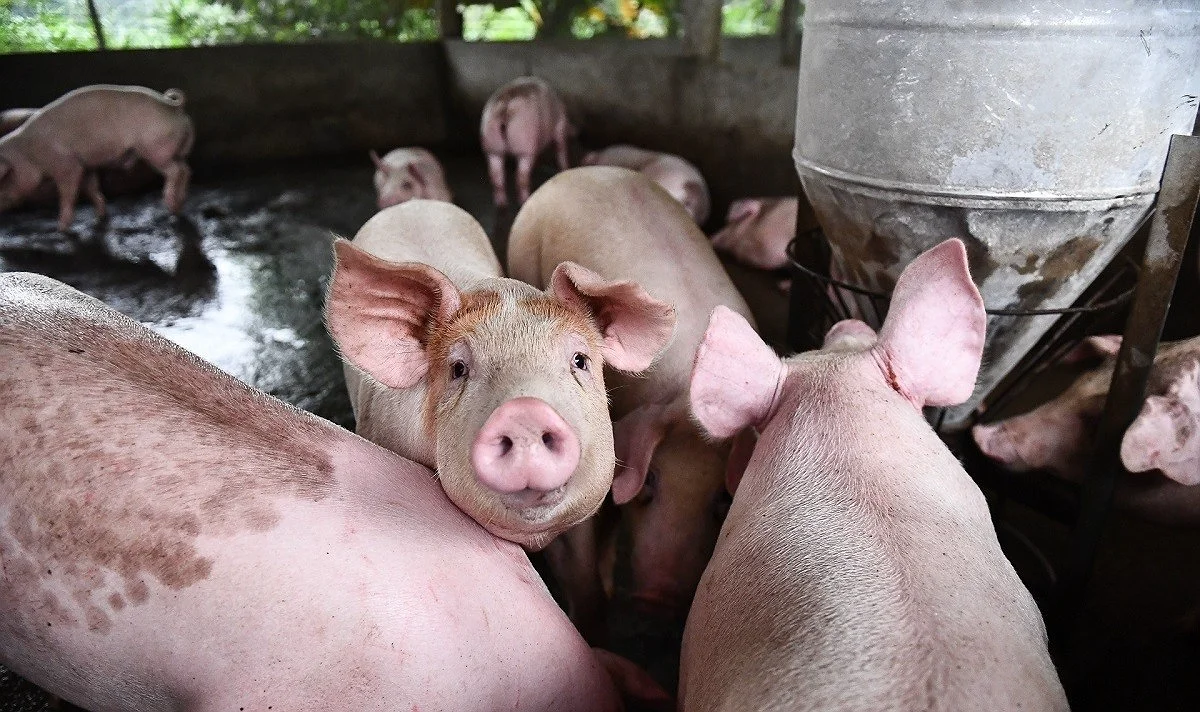 Image of swine
3. PASTEURELLOSIS
– Caused by the bacterium Pasteurella multocida. The bacteria are normally present in the respiratory tract and can cause disease outbreaks under unfavorable conditions (weather changes, stress).
– Usually occurs in pigs over 2 months of age.
– Generalized skin redness (due to congestion of peripheral blood vessels): when pressure is applied to the reddened skin, the redness disappears; after releasing the pressure, the skin becomes red again after a short period (diffuse redness without the formation of lesions).
– Edema and subcutaneous hemorrhage along the pharyngeal region.
– Occurs suddenly in a few individuals or affects multiple pigs during hot weather with poor ventilation, or when heavy rain is followed by intense sunshine.
– Affected pigs have fever, anorexia, and may have abdominal distension.
– Some cases develop pneumonia and dyspnea.
– Prevention: Regularly vaccinate against pasteurellosis; keep housing cool and well-ventilated and avoid sudden temperature changes.
4. SALMONELLOSIS
– Caused by the bacteria Salmonella choleraesuis or Salmonella typhimurium.
– Usually occurs in pigs 1–4 months of age.
– Small, evenly distributed petechial hemorrhages, mainly appearing on areas with thin skin: the edges and tips of the ears, base of the tail, tail tip, lower abdomen, limbs, and skin around the lower neck.
– The entire herd develops diarrhea with foul-smelling, mucus-containing feces.
– Affected pigs have reduced appetite or anorexia.
– Intermittent high fever.
– Conjunctivitis with ocular discharge.
– Surviving pigs become emaciated and have poor growth.
– Prevention: Vaccinate piglets against salmonellosis at 3–4 weeks of age; maintain feed hygiene and ensure drinking water is not contaminated with feces.
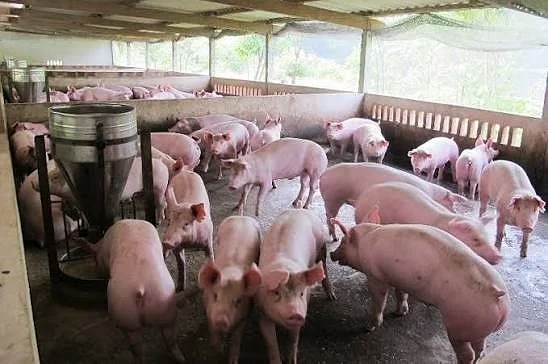 Image of swine
Maintaining good housing hygiene, proactively implementing regular vaccination, and detecting early signs of red skin are the most sustainable measures for effective control and prevention of infectious diseases in pigs.