
[Vietnam Livestock] – For many pet owners, grooming is still simply seen as a beauty routine, such as bathing to keep pets clean and trimming their fur to keep them neat, helping dogs and cats look even cuter. This understanding is not wrong, but it overlooks the most important aspect. In reality, grooming is an essential part of pet healthcare, just as important as vaccination, deworming, or regular check-ups. A proper grooming routine not only keeps pets clean, fresh, and well-groomed, but also helps prevent diseases, detect potential health problems early, and ensure their comfort and well-being.
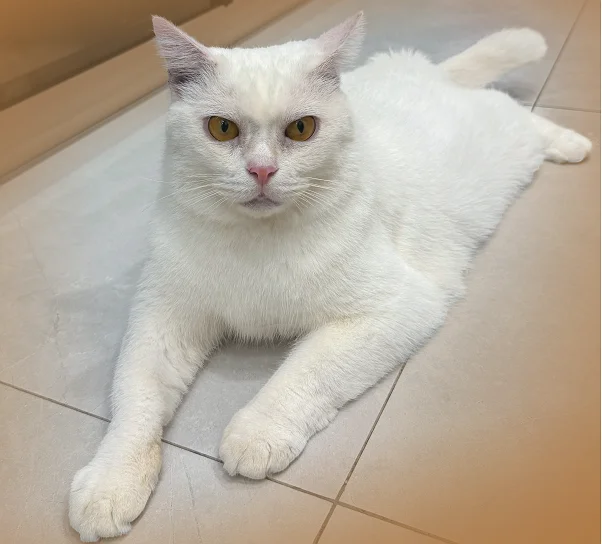 Grooming for Dogs and Cats: More Than Just Beauty
What Are the Health Benefits of Grooming?
Early Detection of Health Problems
One of the greatest—and often overlooked—benefits of grooming is its ability to help detect health problems in pets at an early stage. When you brush, bathe, or simply stroke your pet, your hands are essentially performing a mini “health check” without you even realizing it.
During this process, you can easily notice abnormalities that may be difficult to spot at a glance: a small lump beneath the skin, ticks or fleas hiding in a thick coat, areas of redness or flaky skin, unusual patches of hair loss, or a small wound hidden beneath the fur that could be at risk of infection. Many serious conditions, including certain malignant tumors, have a much better treatment prognosis when detected at an early stage, while also potentially reducing treatment costs for pet owners.
A dog that is rarely touched or examined over its entire body may carry a lump that silently grows for months without anyone noticing. In contrast, a pet that receives regular grooming is much less likely to “hide” changes in its body. This is the quiet yet extremely valuable preventive-health role that grooming can play.
Maintaining Healthy Skin and a Beautiful Coat
Grooming has a direct and positive impact on the health of a pet’s skin and coat. Regular and proper brushing helps remove dead hair and loose fur that remains trapped in the coat. If not removed, these hairs can become tangled and matted.
Matted fur is more than just a cosmetic issue. Tight mats pull on the skin, causing pain whenever the pet moves. They also trap moisture and dirt close to the skin, creating an ideal environment for bacteria and fungi to grow, which can lead to dermatitis and infection. In severe cases, tightly matted fur can become so constricting that it interferes with blood circulation or even hides wounds that are already infected or producing pus underneath.
In addition to preventing mats, brushing provides two physiological benefits that are often overlooked. It stimulates blood circulation beneath the skin, helping to better nourish the hair follicles. At the same time, brushing evenly distributes the natural oils produced by the skin along the length of the hair. These oils give the coat its natural, healthy shine and provide a certain degree of water resistance.
Reducing the Risk of Health Problems
The benefits of grooming extend beyond the skin and coat, contributing to overall health as well.
For cats, regular brushing can significantly reduce the amount of hair they swallow while grooming themselves. Cats spend a large part of their time grooming, and the hair they ingest can accumulate in the digestive tract and form hairballs. In many cases, hairballs simply cause discomfort and are eventually vomited up, but in some instances, they can lead to serious blockages that require medical intervention. Brushing helps remove excess hair before the cat has a chance to swallow it.
Nail trimming is also an essential part of grooming. Overgrown nails are not only more likely to break or get caught on objects, but can also curl back into the paw pads when they become excessively long, causing pain and infection. Long nails can also alter a pet’s standing posture and gait, potentially affecting the joints and spine over time.
Regular ear and eye cleaning as part of the grooming routine helps prevent common infections. A dog’s ears, particularly those of floppy-eared breeds, can easily accumulate moisture and earwax, creating an environment where bacteria can thrive if they are not properly cleaned. Cleaning around the eyes helps remove discharge and reduce the risk of inflammation and infection in the surrounding area.
Behavioral and Emotional Benefits
Finally, the psychological aspect should not be overlooked. When pets are introduced to grooming from an early age in a gentle and patient manner, they gradually come to see it as a positive bonding experience with their owners rather than something frightening or stressful.
In contrast, a pet that has never been accustomed to having its paws, ears, or abdomen touched may react strongly whenever it needs to have its nails trimmed or undergo a veterinary examination, making the entire process stressful for both the pet and the owner. Regular grooming practice, therefore, also helps build trust and makes future visits to the veterinary clinic or grooming salon much smoother and less stressful.
Each Coat Type Requires a Different Grooming Approach
One of the most common mistakes is applying the same grooming routine to every pet. In reality, grooming needs vary significantly depending on the species and coat type. Understanding your pet’s coat is the first step toward choosing the right tools, grooming frequency, and techniques.
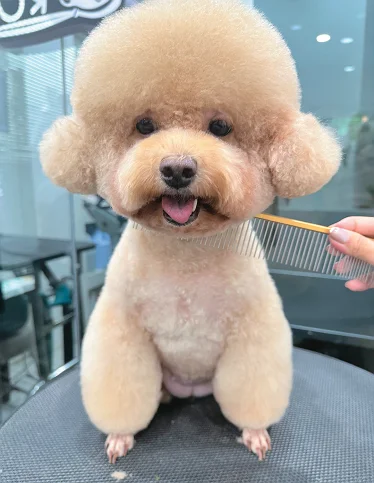 Investing in professional grooming for your dogs and cats is not just about enhancing their appearance—it also provides numerous health benefits.
For Dogs
Short Coats, such as those of local mixed-breed dogs, Labrador Retrievers, and Bulldogs, are generally the easiest to maintain. Their coats lie close to the body and rarely become tangled, so brushing once or twice a week with a rubber grooming glove or firm-bristled brush is usually sufficient to remove dead hair and stimulate the skin. These breeds can be bathed regularly at a moderate frequency, approximately once a week; bathing too frequently can actually strip away the skin’s natural oils and cause dryness.
Long Coats, such as those of Cocker Spaniels and Shih Tzus, require daily care. Long hair can easily become tangled and matted, so daily brushing is essential to prevent mats. In addition, the hair around sensitive areas should be trimmed neatly, including around the eyes (to prevent irritation or contact with the cornea), around the anus (to maintain hygiene), and between the paw pads (to reduce slipping and prevent dirt from accumulating).
Double Coats, such as those of Huskies, Golden Retrievers, and Corgis, consist of a dense undercoat beneath an outer protective coat. The most important thing to remember is: never shave these breeds down to the skin. A double coat acts as a natural temperature-regulating system, keeping dogs warm in cold weather and providing insulation in hot weather. Shaving does not make them cooler; instead, it can disrupt their natural protection and may result in uneven regrowth. Instead, use an appropriate undercoat rake or de-shedding tool to remove dead undercoat, especially during shedding seasons when hair loss increases significantly.
Curly Coats, such as those of Poodles and Bichon Frisés, have an interesting characteristic: they shed very little, making them a popular choice for people who are sensitive to dog hair. However, curly coats can become tangled very quickly and require regular professional grooming every 4–6 weeks to maintain their shape and prevent matting. Brushing at home between professional grooming sessions is also essential.
Key Differences Between Dogs and Cats
Beyond coat type, there are also fundamental differences between the two species that pet owners should understand.
Cats are much more self-sufficient when it comes to grooming than dogs, so grooming provided by their owners is primarily supportive. It focuses on reducing hairball formation and preventing mats in areas that cats cannot easily reach themselves. Cats also generally do not need to be bathed as frequently as dogs, except for certain breeds such as the Sphynx, which is hairless. Dogs, on the other hand, rely more heavily on regular grooming. Bathing, nail trimming, and ear cleaning all need to be performed more regularly and proactively.
The key point to remember is: choose your grooming tools, techniques, and frequency based on both the species and the coat type. Never apply a one-size-fits-all grooming routine to every pet.
Conclusion
Grooming offers benefits that go far beyond aesthetics. It helps detect health problems at an early stage, maintain healthy skin and coats, reduce a wide range of health risks, and strengthen the bond between pets and their owners. However, to fully maximize these benefits, grooming methods and routines should be tailored to each species and coat type. Caring for a curly-coated Poodle is completely different from caring for a double-coated Husky or a long-haired Persian cat.
When you take the time to groom your pet properly and regularly, you are not only helping them look their best, but also helping them stay healthier, more comfortable, and happier every day. And that is the true purpose of pet care.
Dương Thị Thiên Thanh