
After enduring sustained pressure from oversupply and low selling prices throughout the first half of the year, Vietnam’s poultry sector is now showing signs of improvement. Egg prices have risen by around 40–45% compared with the beginning of the year, driven by increased demand for the Mid-Autumn Festival season. Chicken prices in Dong Nai and several southern provinces have also stopped falling after a sharp decline in the second quarter.
Although it is still too early to say that the poultry industry has entered a recovery cycle, recent market movements are giving farmers and businesses greater confidence in consumer demand during the final months of the year.
Poultry Farming Moves Past Difficult Period as Chicken Prices Stabilize and Egg Prices Surge
According to the Vietnam Poultry Association (VPA), the first half of 2026 was a challenging period for Vietnam’s poultry industry.
The country’s total poultry flock increased by approximately 3.5% year-on-year. Production of industrial broiler meat reached around 580,000–600,000 tonnes, colored-feather chicken meat stood at approximately 420,000–440,000 tonnes, while duck meat production was estimated at 180,000–190,000 tonnes. Egg production also exceeded 10.8 billion eggs.
Rapid growth in supply, coupled with sluggish consumer demand, pushed several segments of the market into oversupply.
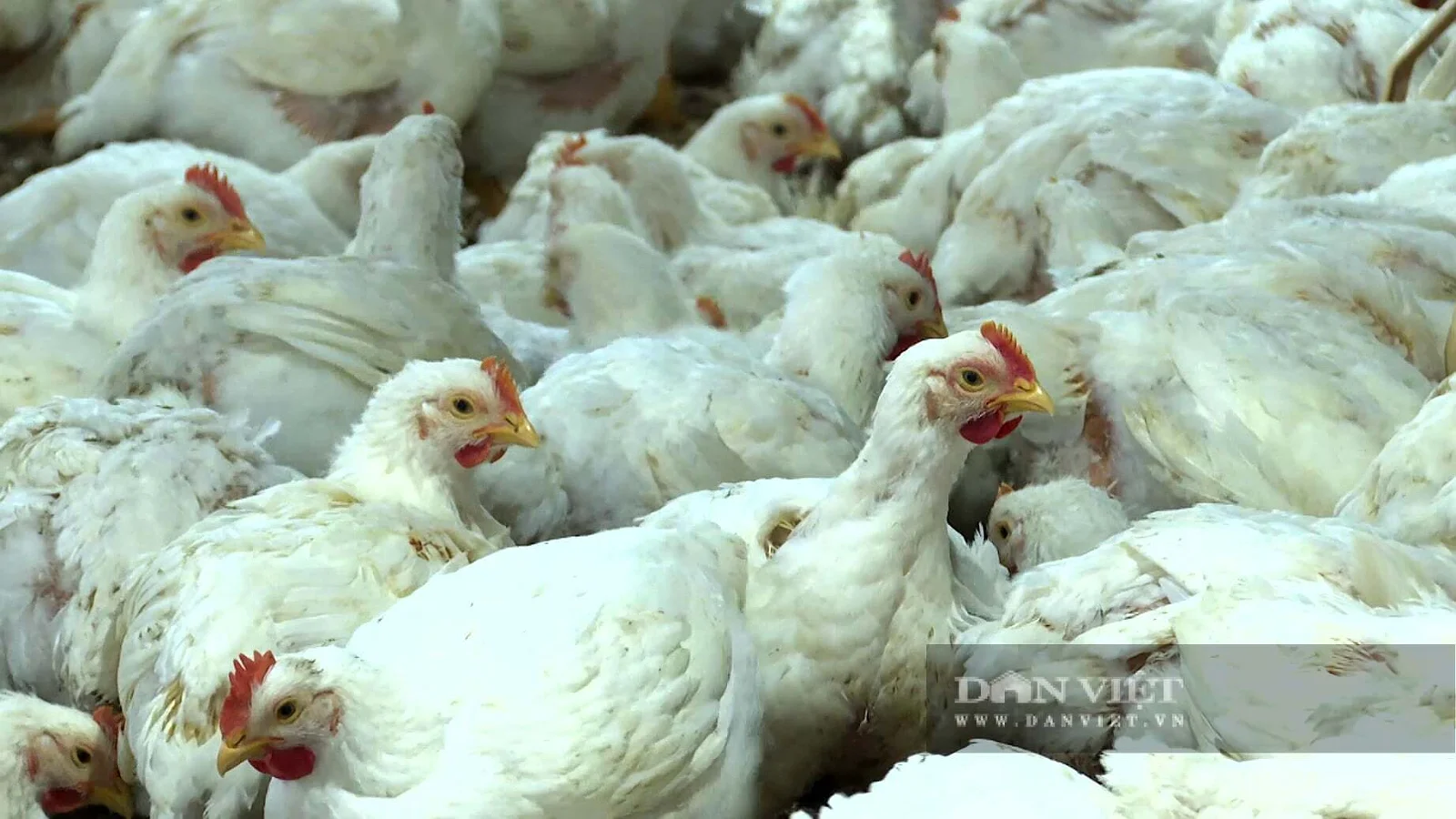 A white-feather broiler farm in Ho Chi Minh City. Photo: Nguyen Vy
White-feather broiler chickens have been hit the hardest. According to the Vietnam Poultry Association (VPA), at one point, chicken prices in southern Vietnam fell to just VND 22,000–24,000 per kilogram, below production costs. Many farmers were forced to reduce flock sizes or delay restocking in order to minimize losses.
Since late June, however, the market has begun to show positive signs.
According to the Dong Nai Department of Finance, white-feather chicken prices in the province have remained at around VND 31,000 per kilogram, while colored-feather chicken prices have ranged between VND 47,000 and 49,000 per kilogram. Feed prices have also remained largely stable.
In many southern provinces, industrial chicken prices currently range from VND 26,000 to 31,000 per kilogram. Although these prices have yet to generate significant profits, they are still higher than the bottom levels recorded in the second quarter.
Meanwhile, colored-feather chicken prices have held steady at VND 47,000–53,000 per kilogram, supported by stable demand from traditional markets and restaurant chains.
The clearest signs of recovery in the poultry sector, however, have come from the egg market. Farm-gate egg prices have risen from around VND 1,700 to approximately VND 2,500 per egg, representing an increase of 40–45%.
At Ha Lien Food Co., Ltd. in Tan Hung Commune, Dong Nai City, nearly 20,000 Egyptian chickens are raised in an enclosed housing system. The company supplies more than 18,000 eggs per day to markets across southern Vietnam and the Central Highlands.
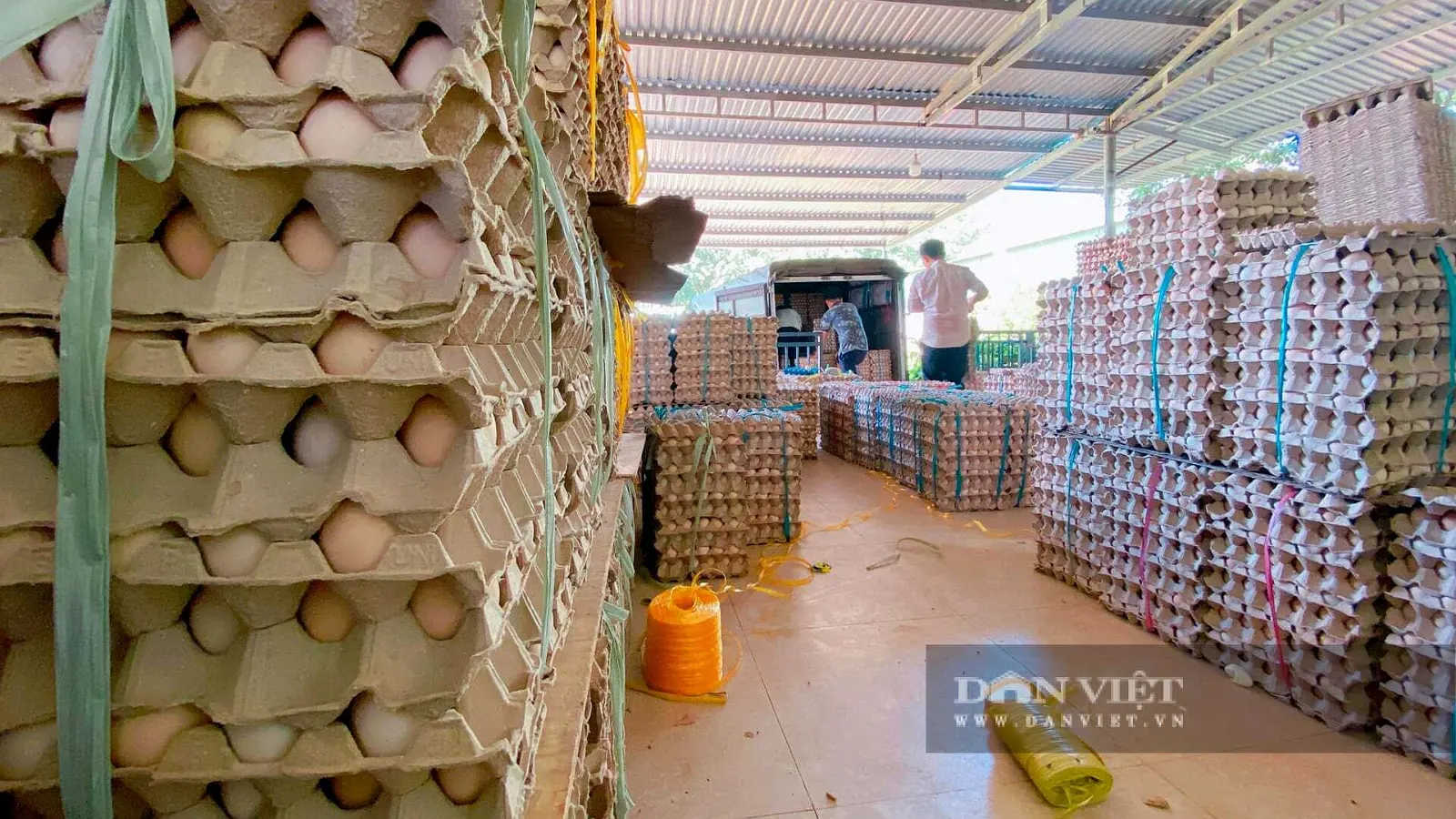 Ha Lien Food Co. prepares eggs for distribution to the market. Photo: Courtesy of Ha Lien Food.
Mr. Nguyen Van Ha, Director of Ha Lien Food Co., said egg prices usually decline at the beginning of the year but rise again when mooncake producers begin purchasing ingredients.
“It happens almost every year. At this time of year, demand for mooncake production increases, so egg prices rise accordingly,” Mr. Ha said.
Mr. Nguyen Van Thinh, Chairman of the Tan Hung Commune Farmers’ Association, said higher prices are giving farmers greater motivation. However, farmers should not expand their flocks simply in response to market trends. Instead, they should continue practicing biosecurity and maintaining disease control measures to ensure sustainable development.
Poultry Sector Looks to Exports and Year-End Demand for a Boost
According to the Vietnam Poultry Association (VPA), although the market has shown signs of improvement, the poultry industry continues to face significant pressure.
Chicken meat imports in the first six months of the year are estimated at 185,000–195,000 tonnes, mainly low-priced frozen products, which continue to compete with domestically produced chicken.
The association also warned that the illegal cross-border trade of poultry and eggs remains complicated. This not only puts pressure on selling prices but also poses a potential risk of disease outbreaks.
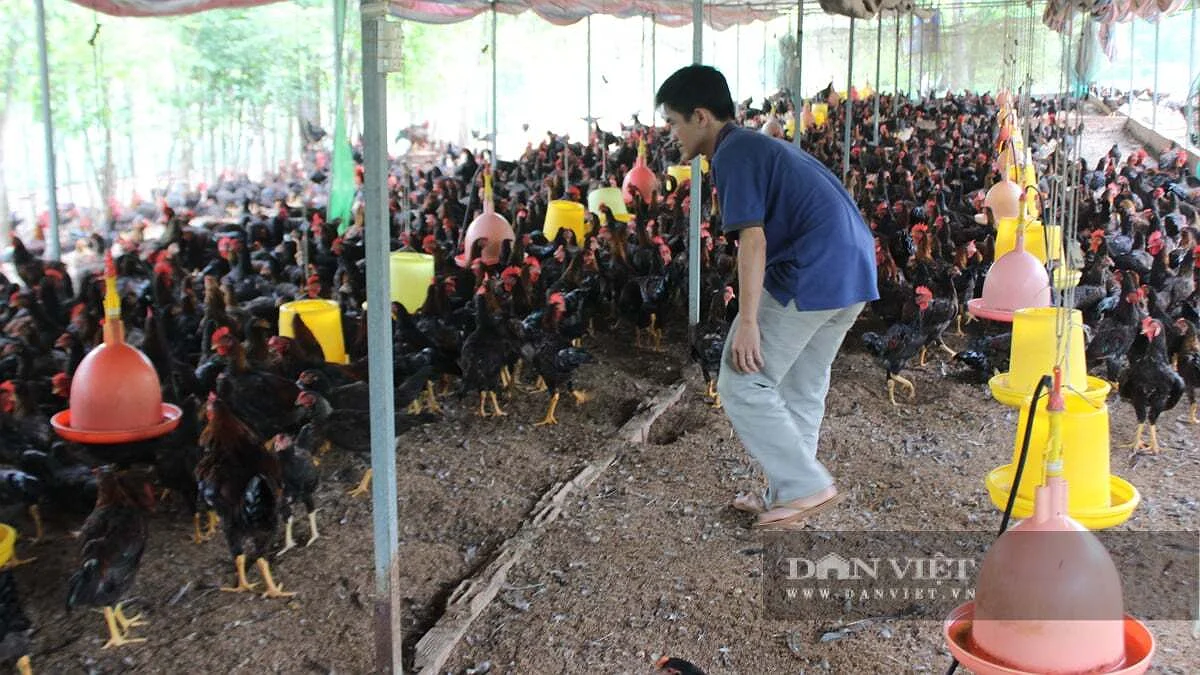 A chicken farm in Dong Nai City. Photo: Nguyen Vy
Mr. Trinh Quang Thanh, General Director of Olmix Asialand Vietnam Co., Ltd., said the poultry industry has gone through its most difficult period in many years due to prolonged oversupply. According to him, businesses need to strengthen cooperation and coordination to better regulate production and ease pressure on the market.
Meanwhile, Mr. Pham Huy Tuyen, a representative of Cao Khanh Poultry Breeding Co., Ltd., said that demand for both poultry breeds and commercial chickens has been sluggish recently. Many businesses have been forced to sell balut eggs to recover capital while waiting for consumer demand to pick up.
A bright spot for the poultry industry is the continued growth in exports. In the first six months of the year, Vietnam is estimated to have exported 4,800–5,200 tonnes of poultry meat, generating approximately US$45–48 million in export revenue.
Around 38–42 million eggs of various types were also exported. Notably, the first shipment of ready-to-eat poultry eggs has entered the Japanese market, opening up new opportunities for value-added and deep-processed products.
According to the Vietnam Poultry Association, the poultry market is unlikely to recover rapidly in the short term, but its outlook is expected to improve from the final months of the year.
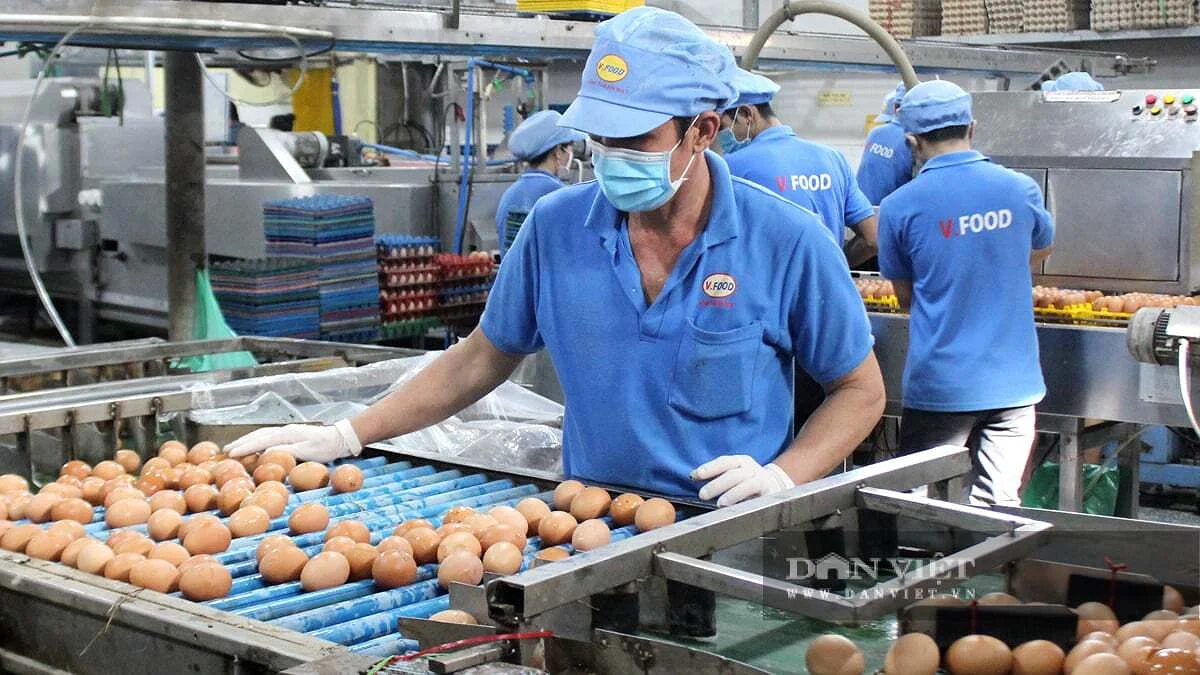 An egg-producing company in Ho Chi Minh City. Photo: Nguyen Vy.
Mr. Nguyen Thanh Son, Chairman of the Vietnam Poultry Association (VPA), said that during July and August, the market is expected to remain subdued as students are on summer break and many institutional canteens temporarily suspend operations, meaning demand for chicken has yet to increase significantly.
Egg demand, however, is forecast to improve from mid-August as confectionery manufacturers begin purchasing ingredients for the Mid-Autumn Festival season. From September through the end of the year, supply and demand are expected to become more balanced after many farmers reduced flock sizes or temporarily delayed restocking due to losses in the second quarter.
At the same time, demand for food during the wedding season, festivals, and the Lunar New Year is expected to provide momentum for poultry prices to recover.
White-feather chicken prices are forecast to reach VND 33,000–35,000 per kilogram, while colored-feather and free-range chicken prices could rise by 15–20% from their previous lows, reaching VND 55,000–70,000 per kilogram. Egg prices are also expected to recover to around VND 2,000–2,500 per egg.
According to the VPA, if domestic consumption and exports continue to grow, the poultry industry will gain further momentum to regain its growth trajectory in the final months of the year.