
CATTLE
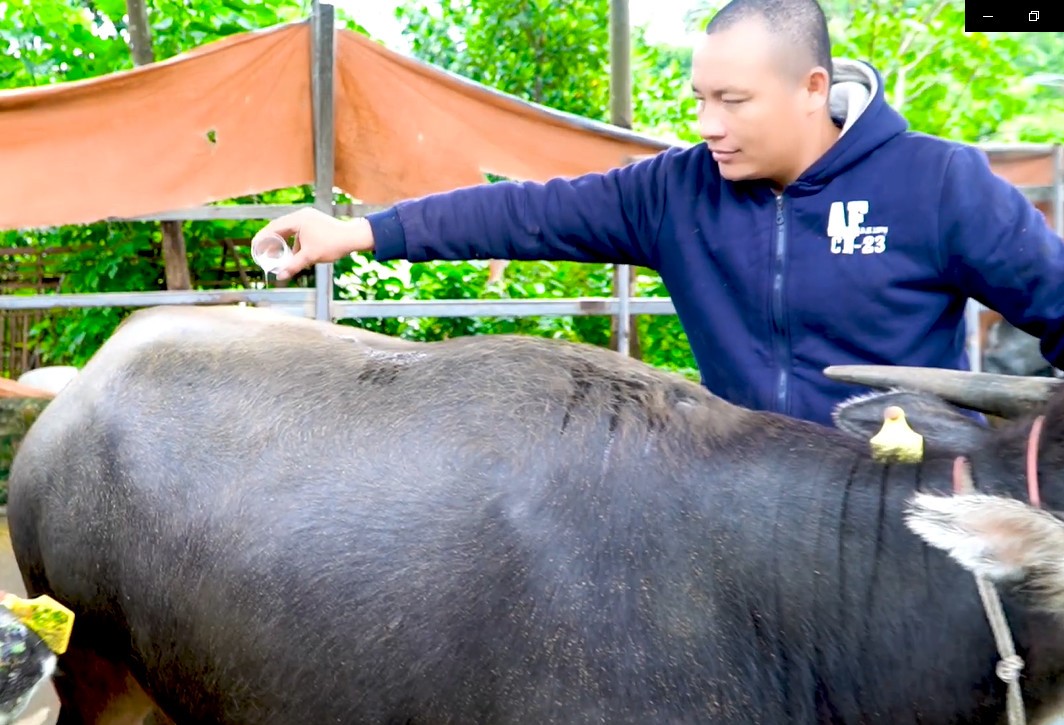
Simplified Parasite Control In Cattle
Regular parasite control is essential to maintain the health and vigor of cattle. Among various treatments, the Pour-on method is a modern and exceptionally easy approach. Parasitic diseases are common ailments in cattle. These diseases significantly impact livestock health, leading to exhaustion, emaciation, and poor productivity. The most common prevention method is injectable deworming. However, for veterinarians and livestock farmers (raising cattle, buffalo, goats, or sheep), routine injections are not always smooth or convenient. Therefore, we would like to introduce the Pour-on Method—a super simple new technique for parasite control. Image of parasite control 1. THE HARMFUL EFFECTS OF ECTOPARASITES..
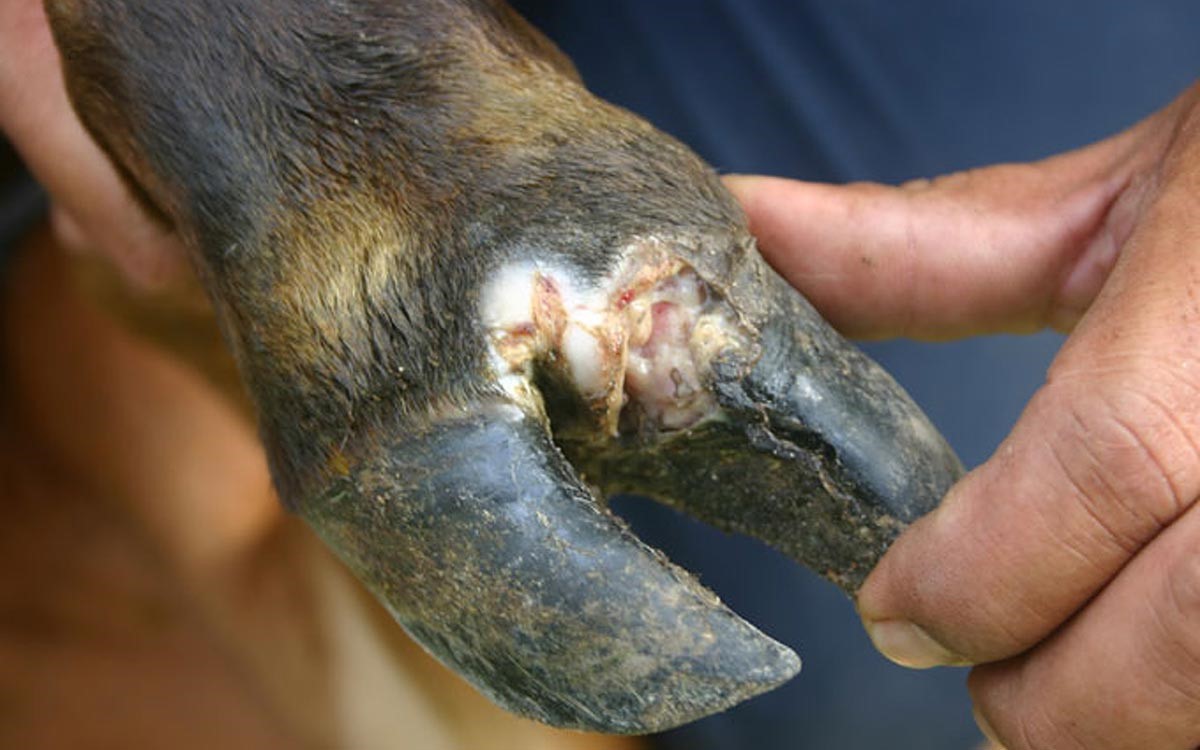
Foot-And-Mouth Disease In Cattle And Buffaloes
In cattle and buffalo production, Foot-and-Mouth Disease (FMD) remains a major threat due to its extremely high contagiousness and long-term survival in the environment. Foot-and-Mouth Disease is one of the most serious infectious diseases affecting cloven-hoofed animals such as cattle, buffaloes, pigs, goats, and sheep. The disease spreads rapidly through multiple transmission routes and causes significant economic losses, including reduced draught power, decreased milk yield, reduced weight gain, increased treatment costs, and high mortality in young animals. The disease is caused by Foot-and-Mouth Disease virus (FMDV), belonging to the genus Aphthovirus, family Picornaviridae. In Vietnam, the disease in cattle and..
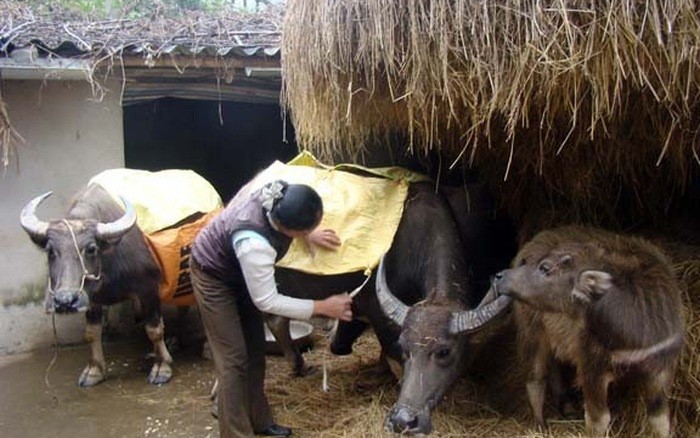
Preventing Cold Stress And Diseases In Cattle During Winter
During winter, when temperatures drop significantly and air humidity increases, cattle expend more energy to maintain body heat and become more susceptible to diseases. Cold winter weather causes cattle to lose a large amount of energy for thermoregulation, leading to weakened immunity. This creates favorable conditions for pathogenic microorganisms to develop and cause diseases. As a result, livestock are highly vulnerable to illnesses, especially respiratory diseases, and may even die from severe cold stress. This risk is particularly high in young animals under 6 months of age and in older animals. Therefore, farmers need to proactively protect their herds by..

Civet Farming – A New Direction In Specialty Livestock Production
The Asian palm civet is a high-value specialty species suitable for small- and medium-scale farming systems, offering promising income-generating opportunities. In recent years, alongside conventional livestock such as chickens, pigs, and ducks, farmers have increasingly sought alternative species with higher economic returns and lower market competition. Among these, civet farming has gained considerable attention. Is civet farming truly an effective new production model? And how can it be implemented properly and efficiently? I. WHAT IS A CIVET AND WHY IS IT CONSIDERED A “SPECIALTY” SPECIES? The Asian palm civet is a wild species that has been successfully domesticated and bred..

Drug Shock in Livestock
To keep livestock healthy, farmers not only need to know how to use drugs properly but also must understand potential risks such as drug shock. During disease prevention and treatment, injection is the most common and effective method. However, anaphylactic shock after injection may occur unexpectedly and can be life-threatening if not treated promptly. 1. WHAT IS DRUG SHOCK? Drug shock (also known as anaphylactic reaction) is a hypersensitivity reaction of the animal’s body when exposed to a drug, vaccine, or chemical that it cannot tolerate. At that time, the animal’s body reacts excessively, releasing a series of mediators such..
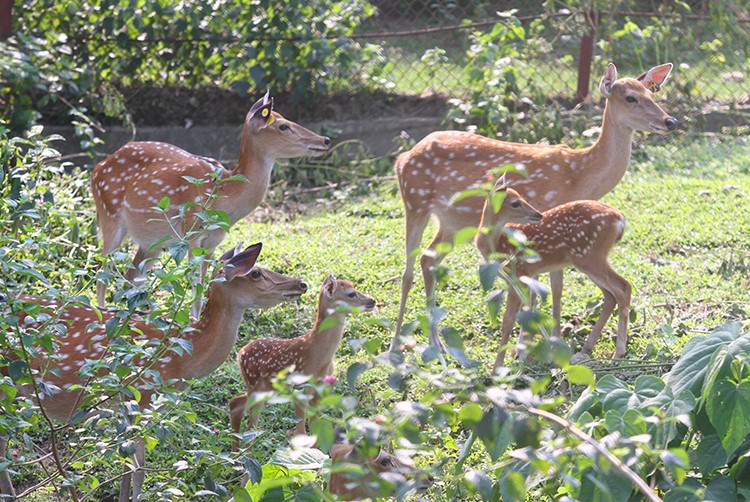
Sika Deer Farming: A New Direction for Family Economy
Sika deer farming is a sustainable economic model, helping farmers take advantage of available natural resources such as grass and leaves to bring high-value income. Sika deer – an easy-to-raise, disease-free animal that only needs to eat grass and leaves to grow healthily – is the key for people to turn these natural resources into a stable source of income. 1. RAISING SIKA DEER: LOW COST, UTILIZING AVAILABLE RESOURCES Sika deer are not picky eaters and can live well on available grasses and leafy vegetables such as elephant grass, jackfruit leaves, water spinach, etc. With just these simple things, breeders..
Mastitis In Dairy Cows
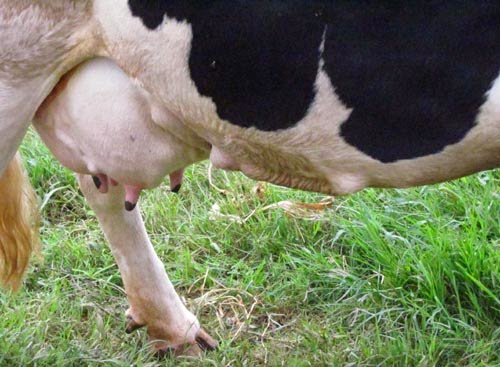
Mastitis greatly affecting the productivity and health of cows. From safe milking techniques to barn hygiene measures, along with the use of drugs and care, all will help reduce the risk of infection, increase productivity. Mastitis in dairy cows is one of the common diseases in dairy farming, most dairy farming areas encounter it. Mastitis is an infection deep inside the udder caused by bacteria entering through the milk vent at the tip of the nipple. The disease often harms cows during the milking stage, reducing productivity, fertility and even causing death if not treated promptly. 1. CAUSES OF MASTITIS..
6 Important Factors In Organic Farming
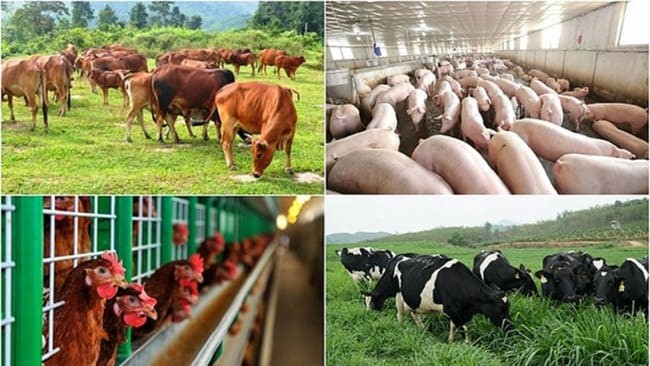
Organic farming is becoming a new trend in Vietnamese agriculture, especially in the context of increasing awareness of safe and sustainable food. With the development of the livestock industry, many people are shocked to see animals being confined and kept in terrible conditions. They are also worried about the risk of antibiotic contamination from food containing animal meat. In search of a healthy and sustainable lifestyle, many people have turned to the organic farming movement, a movement that has a history from 1920 to 1950 in countries such as the UK, Europe and North America. Currently, organic farming is one..
Top 5 popular dairy cow breeds raised in Vietnam
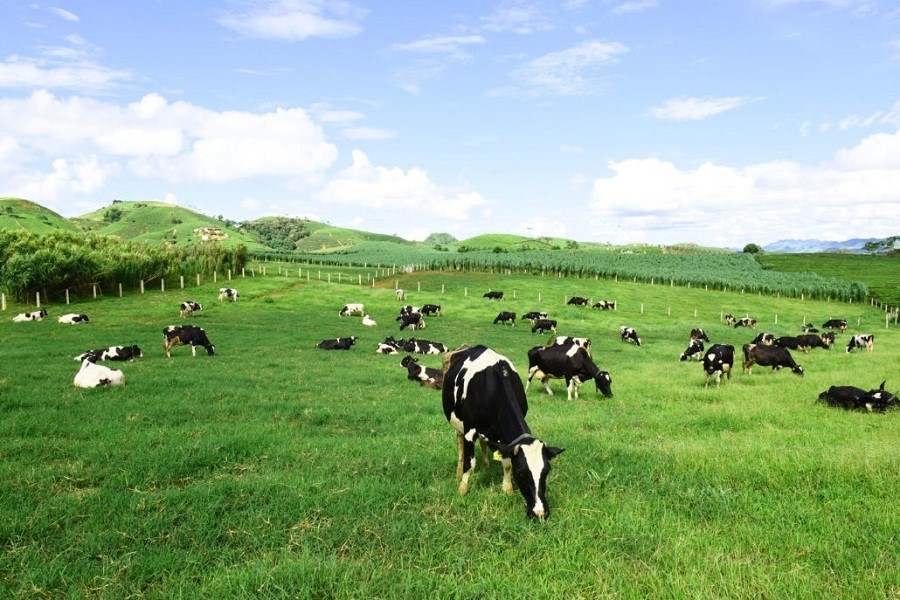
Nowadays, with the increasing demand for milk and meat, along with the development of science, many dairy cow breeds with different characteristics and growth capabilities have been created and are being raised popularly and widely throughout the country. Dairy cows play an important role in the livestock industry in Vietnam, especially in providing milk for consumers. Currently, dairy cows are becoming an important source of income for many farming households. Raising dairy cows also contributes to the development of the agricultural economy and creates job opportunities for rural people. Let’s learn about these 5 cow breeds with high milk yield...
Treatment Of Ruminal Tympany In Cattle
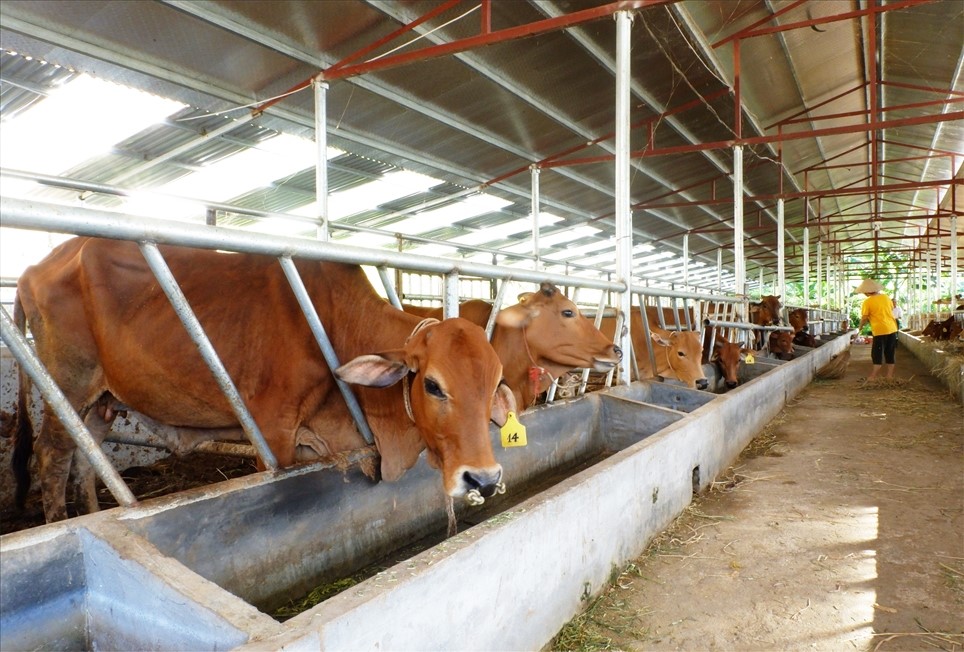
Ruminal tympany in cattle is a common disease in the rainy season, caused by cattle eating feed that are easily fermented and produce gas. Ruminal tympany is a disease that occurs when cattle eat a lot of easily fermented feed, creating a lot of gas in the rumen, causing the volume of the rumen to increase beyond normal, compressing the organs in the abdominal cavity, reducing the liver’s ability to detoxify. At the same time, it reduces the volume of the thoracic cavity, hindering the activity of the heart and lungs, making it difficult for the animal to breathe and..
- 1
- 2