
Controlling edema disease does not rely solely on treatment; it also starts with proper dietary management. Appropriate nutrition helps support digestive health and provides a foundation for healthy growth and development in piglets.
Edema disease is a common condition that is often associated with digestive disorders, affecting millions of pigs worldwide each year.
The disease affects the nervous system. Common clinical signs include swollen eyelids, occasional diarrhea, lameness, poor appetite, reduced performance, rough hair coat, and a high culling rate.
The disease is caused by certain serotypes of Escherichia coli. Twenty-seven characteristic strains of Escherichia coli O139, the causative agent of edema disease, have been identified. All 27 strains were susceptible to colistin, gentamicin, apramycin, and amoxicillin/clavulanic acid, while 80% were resistant to sulfonamides.
In addition to strict adherence to the veterinarian’s recommendations regarding antibiotic use, nutritional management plays an important role in the prevention and treatment of the disease.
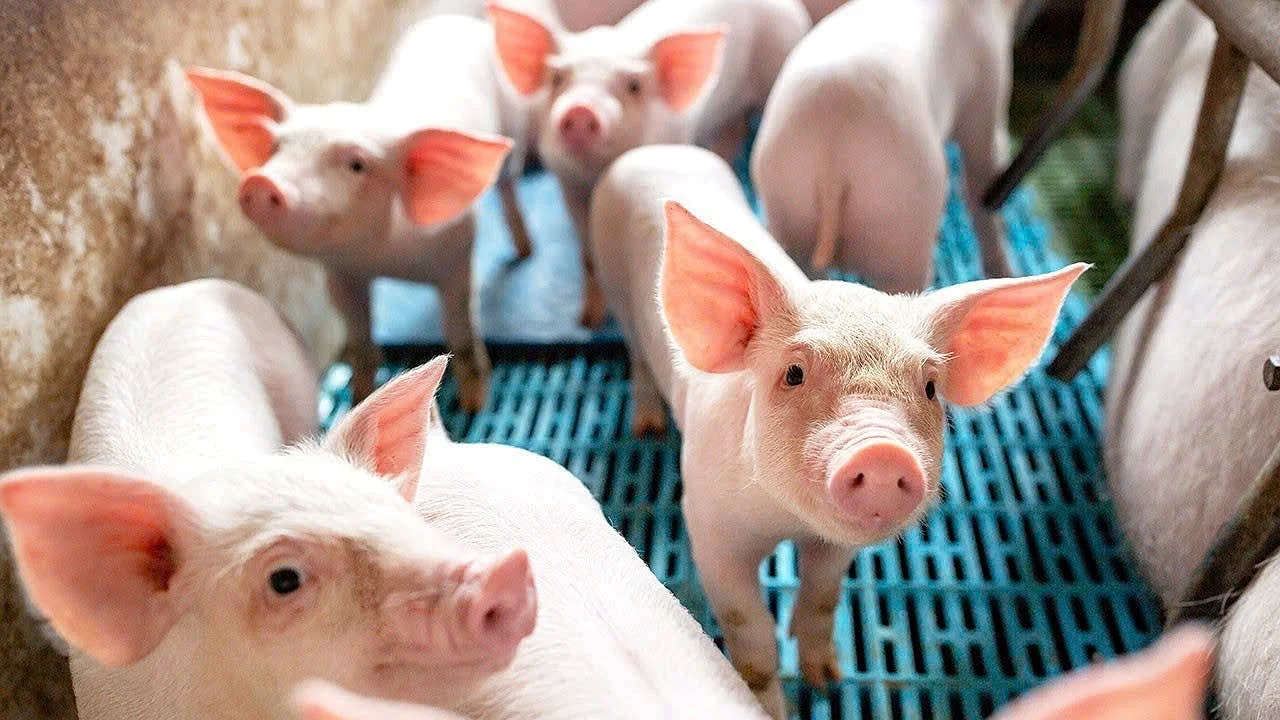 Image of pig farming
1. PROTEIN
Escherichia coli uses protein as a nutrient source. Therefore, to limit bacterial proliferation, the diet should contain a relatively low protein level, but not less than 18%, while maintaining a proper amino acid balance.
2. COPPER, CALCIUM, AND IRON
In addition to zinc oxide, high levels of copper sulfate may provide antibacterial benefits, particularly during the later stages of the piglet production cycle. It is important to note that Escherichia coli proliferates well in iron-rich environments. Therefore, dietary iron should be limited to the minimum level required to meet the animal’s growth requirements.
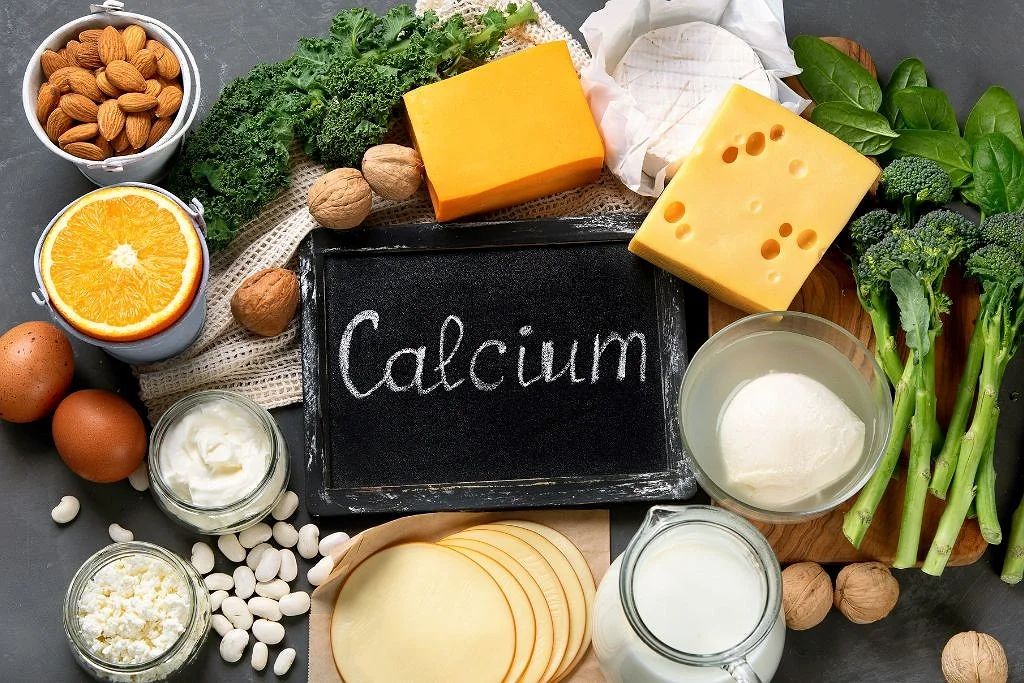 Image of Calcium
3. SOYBEAN MEAL, ORGANIC ACIDS, AND PLANT EXTRACTS
Reducing or eliminating soybean meal from the piglet diet can significantly decrease the risk of digestive disorders, including edema disease. The use of a blend of organic acids, with or without plant extracts, has been shown to be more effective in preventing and controlling edema disease in piglets than the use of a single organic acid.
4. ELECTROLYTE BALANCE (Na + K + Cl)
Optimizing the dietary electrolyte balance (Na + K + Cl) in affected piglets is important. A diet with a higher electrolyte balance may help prevent metabolic acidosis and support the treatment of edema disease.
5. FEED MANAGEMENT
Restricting feed intake during the first 4–5 days after weaning may be recommended in situations of high infection pressure. This approach aims to reduce the amount of undigested feed reaching the hindgut. Although this intervention can be effective in controlling digestive disorders, it may also negatively affect animal performance. Therefore, it should be implemented with caution.
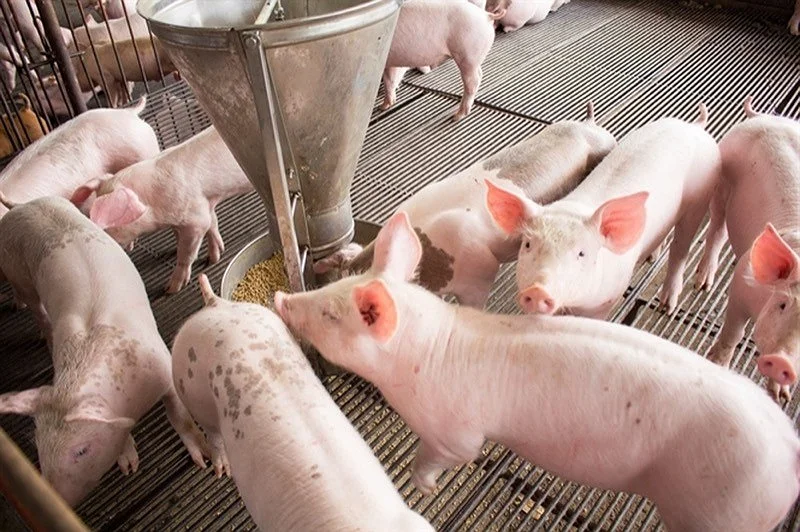 Image of pig farming
6. FIBER
Based on experimental results, increasing crude fiber levels in the diet by 2–3% can help improve resistance to various bacterial infections. Barley, oats, beet pulp, and other fiber sources may provide greater nutritional benefits than other fiber ingredients in increasing dietary fiber levels, reducing digestive disorders, and helping prevent edema disease in piglets.
7. EGG-DERIVED IMMUNOGLOBULIN ANTIBODIES (IgY)
This is described as one of the most advanced approaches for managing edema disease and, in practice, as the only direct intervention method. Immunoglobulin antibodies are obtained from eggs of hyperimmunized hens against specific bacterial strains affecting piglets, such as Escherichia coli, the causative agent of edema disease. These immunoglobulin antibodies are administered directly through the piglets’ feed. The immunoglobulin antibodies bind to the E. coli strains against which they were produced, thereby greatly reducing the bacteria’s ability to remain active.
Proactive dietary adjustment, balanced nutrition, and proper feed management are essential factors and practical measures that contribute to the prevention and control of edema disease in piglets.