Tag Archives: nuôi gà

Poultry Respiratory Syndrome

Poultry Respiratory Syndrome is one of the most common and economically damaging health issues in chicken production. This syndrome occurs frequently, especially during seasonal weather changes and cold, humid periods. It is a complex disease involving coughing, rales, tracheitis, and reduced weight gain. Without timely intervention, mortality can increase rapidly, leading to major economic losses. 1. WHAT IS POULTRY RESPIRATORY SYNDROME? Poultry Respiratory Syndrome is not a single disease. It is a multifactorial condition caused by the combination of viruses, bacteria, fungi, parasites, and poor environmental conditions. Major causative agents include: – Viruses: IB (Infectious Bronchitis), ILT (Infectious Laryngotracheitis), Newcastle..

Drug Shock in Livestock

To keep livestock healthy, farmers not only need to know how to use drugs properly but also must understand potential risks such as drug shock. During disease prevention and treatment, injection is the most common and effective method. However, anaphylactic shock after injection may occur unexpectedly and can be life-threatening if not treated promptly. 1. WHAT IS DRUG SHOCK? Drug shock (also known as anaphylactic reaction) is a hypersensitivity reaction of the animal’s body when exposed to a drug, vaccine, or chemical that it cannot tolerate. At that time, the animal’s body reacts excessively, releasing a series of mediators such..

Infectious Coryza In Chickens

If your chickens show symptoms such as labored breathing, facial swelling, inflamed eyes sticking shut due to conjunctivitis, and nasal discharge that starts clear but becomes thick and forms white pus clots — these are typical signs of Infectious Coryza. This disease affects chickens of all ages and can cause significant economic losses to poultry farms. Infectious Coryza, also known as Infectious Sinusitis, Avian Coryza, or Swollen Head Syndrome, spreads rapidly in poor housing conditions or under harsh weather. So, what exactly is Infectious Coryza in chickens, and how can it be effectively prevented? 1. CAUSE OF THE DISEASE –..

Secrets to Restoring Livestock Barns After Floods

Under unpredictable weather conditions with frequent floods, restoring and sanitizing livestock barns after inundation is essential to maintain biosecurity and ensure the health of farm animals. After flooding, the farming environment becomes a high-risk area for disease outbreaks. Floodwater, waste, manure, and carcasses can severely contaminate barns, creating favorable conditions for pathogenic bacteria, viruses, and parasites to multiply, threatening both animal and human health. Therefore, proper cleaning and disinfection of barns are crucial to prevent post-flood infectious diseases in livestock. Image of animals in floods 1. IMMEDIATE ACTIONS TO TAKE Electrical safety inspection: Disconnect all power sources and have a..

Infectious Laryngotracheitis (ILT) in Chickens

In poultry farming, Infectious Laryngotracheitis (ILT) is considered one of the major threats to chicken flocks. The disease not only directly affects health, causing sudden death, but also reduces productivity. ILT is a highly dangerous respiratory disease in chickens, commonly seen in both broiler and layer farms, and it can cause severe economic losses if timely preventive measures are not implemented. 1. CAUSES ILT is caused by a Herpesvirus. Characteristics of the virus: – It can survive for a long time in the environment, particularly in the respiratory secretions of infected chickens. – The virus spreads rapidly through direct contact..

Harmful Effects Of Crop And Intestinal Mycosis In Chickens

Crop and intestinal mycosis in chickens is a dangerous disease that greatly affects poultry health. So, what are its harmful effects on chickens and how can it be effectively prevented and treated? Currently, the poultry industry is developing at various scales. However, one common issue faced by many farms—yet often overlooked—is the harmful impact of crop and intestinal mycosis. Chickens are highly susceptible to this disease, which significantly reduces their productivity. Therefore, understanding the harmful effects of crop and intestinal mycosis in chickens and applying thorough prevention and treatment measures is crucial to achieving high economic efficiency in poultry farming...

Techniques For Raising High-Yield Laying Hens – The Secret To Breakthrough Egg Production

It is no coincidence that the model of raising high-yield laying hens is increasingly favored by many poultry farmers. With outstanding reproductive capacity and high economic value, high-yield layers can provide a stable source of income when managed with proper techniques. In poultry farming, raising high-yield laying hens is a model that brings stable and long-term profits. However, to achieve high, stable egg production with good quality, it is essential to master technical aspects such as breed selection, housing, nutrition, and disease prevention. 1. SELECTING HIGH-YIELD LAYING BREEDS The breed accounts for up to 60% of productivity. Some popular high-yield..

What Histomoniasis In Chickens Is And How To Effectively Prevent And Treat It

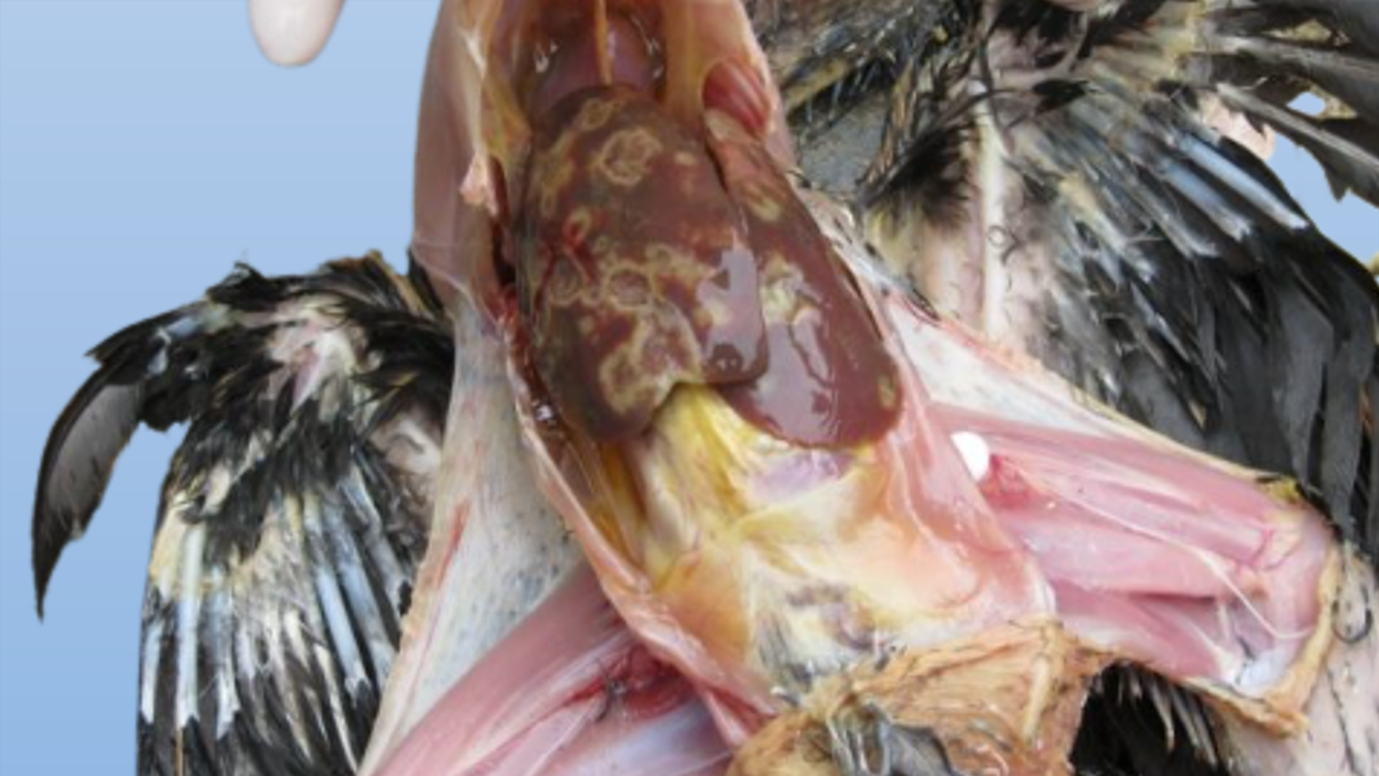
Histomoniasis in chickens is extremely dangerous, causing lethargy, high fever, and potentially rapid death. Therefore, it is essential to know how to prevent and treat Histomoniasis to minimize losses. Histomoniasis is no longer unfamiliar to poultry farmers, especially those who raise chickens in semi-free-range or free-range systems. The disease primarily causes lesions in the liver and ceca, increasing mortality rates and severely impacting farmers’ profits. Therefore, understanding Histomoniasis and effective prevention and treatment methods is crucial. 1. CAUSE – The disease is caused by the protozoan Histomonas meleagridis, which invades the mucosa of the ceca and liver, creating characteristic lesions..

The price of breeding chickens in Hải Dương is increasing.

The price of breeding chickens sold by hatcheries in Hải Dương has increased significantly compared to the end of 2024. According to a survey conducted by reporters on the afternoon of March 14, some poultry hatcheries in Yết Kiêu commune (Gia Lộc) are selling hybrid fighting chickens for 7,000 – 7,500 VND per chick, an increase of 2,000 – 2,500 VND per chick compared to the end of 2024. The hybrid Hồ chicken breed is being sold wholesale at production facilities for 6,000 – 6,500 VND per chick, an increase of 2,500 – 3,000 VND per chick. At these prices,..

Poultry feathers may play an important role in the transmission of HPAI

Understanding how the virus is transmitted between hosts and farms can help prevent its spread. Understanding the role of vectors – including dust, dander and feathers – and other factors in the transmission of HPAI in commercial poultry will be crucial to preventing the virus and ending the current outbreak. Research has shown that feathers – and especially feather meat – can contain high levels of HPAI. Several French studies are focusing on the link between HPAI transmission and feather meat. “During feather development, the cells inside the feather shaft are filled with virus,” said Erica Spackman, PhD, distinguished senior..